美国 Postive Science 眼动仪 DB9-HG-3
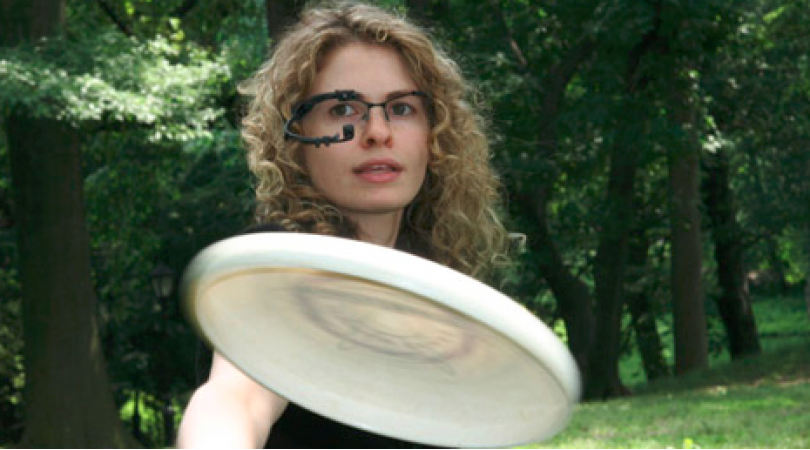
UltraFlex DB9-HG-3 成人头戴装置是 Positive Science 的模块化暗瞳红外眼动追踪头戴装置,目前仍在售,可配 20 英尺有线实验室套件(TLU)或 METL 背包使用。 柔性臂上的红外 LED 与眼相机采集暗瞳图像;场景相机与麦克风记录视野与音频。 传感器为黑白/彩色 1/4 英寸 CMOS;场景镜头 3.5 mm、F2.6,380 电视线;采集 320x240 或 640x480、约 29.97 帧/秒;重约 83 克。 官方列出的应用包括行为研究、产品与购物研究、驾驶、消防员训练、动物研究与婴儿发展研究。 PSLiveCapture 记录同步的眼动、场景与音频并支持无线传输;Yarbus 2.2.9 可进行离线或实时注视处理、校准与导出;帧捕捉卡与 METL 电池需另行订购。
仪器信息
| 品牌 | Positive Science |
|---|---|
| 型号 | DB9-HG-3 |
| 分类 | 眼动仪 |
| 仪器编码 | united-states-positive-science-eye-tracking-headgear-db9-hg-3 |
| 在售状态 | 在售 |
| 地区来源 | 美国 |
| 更新时间 | 2026-10-14 |
技术参数
共 49 条规格记录
功能指标
| 眼动追踪原理 | 模块化暗瞳红外眼动追踪(modular, dark-pupil, infrared eye-tracking) |
|---|---|
| 眼动追踪原理 | 支持实时瞳孔追踪与可选角膜反射追踪;提供辅助与非辅助的特征检测与阈值化方法 |
| 校准方式 | 通过简单校准界面将人眼位置映射到参考场景视频 |
| 眼位数据网络输出功能 | 支持通过通用 socket 连接将眼位数据流式输出至网络上的多个客户端 |
| 无线视频传输功能 | 支持 WiFi 视频流传输至眼动追踪软件,并支持实时捕获与屏幕预览 |
| 适用场景 | 实验室与野外工作(laboratory and field work) |
性能指标
| 眼部图像分辨率 | 320×240 或 640×480 |
|---|---|
| 场景视频分辨率 | 320×240 或 640×480 |
| 相机帧率 | 60 Hz(NTSC)(眼动相机与场景相机) |
| 视频采集帧率 | 约 29.97 f/s(眼动与场景视频采集) |
| 视频采集帧率 | 25–29.97 f/s(帧采集卡采样,取决于计算机配置) |
硬件配置
| 图像传感器 | 1/4 inch CMOS(眼动相机与场景相机,B&W/Color 黑白与彩色) |
|---|---|
| 红外照明光源 | 红外 LED(infrared LED) |
| 光学结构 | 无需反射镜(No mirrors are required) |
| 相机安装结构 | 安装于柔性臂(flexible arm),便于逐个被试调整定位 |
| 场景相机焦距 | 3.5 mm |
| 场景相机光圈 | F2.6 |
| 场景相机电视线数 | 380 TV Lines(NTSC) |
| 场景相机可选配置 | 标配标准场景相机,可按要求提供更多选项 |
| 内置麦克风 | 单通道高增益麦克风(mono channel high gain microphone) |
| 头戴装置尺寸规格 | 成人、儿童与婴儿尺寸(adult, child and infant sizes)(UltraFlex 头戴装置系列) |
| 头戴装置连接器 | 9-pin(DB-9) |
| USB 接口规范 | USB 2.0(用于眼动与场景采集的视频采集卡接口) |
| 视频采集卡数量 | 2 个(分别用于眼动采集与场景采集) |
| 系留套件电缆长度 | 20 ft(20 英尺系留实验室套件(TLU),含视频/电源电缆与电源) |
| 电源适配器规格 | 9 V 国际供电电源(多国家使用的电源适配器)(使用 20 英尺系留实验室套件(TLU)时) |
| 移动记录主机 | MacBook Air 11 inch(使用 Mobile Eye-Tracking Laboratory(METL)时) |
| 移动实验室支撑结构材质 | Makrolon(聚碳酸酯)塑料(METL 支撑背带与背包) |
| 兼容实验室套件 | 20 英尺系留实验室套件(20-foot tethered laboratory kit) |
| 兼容实验室套件 | Mobile Eye-Tracking Laboratory(METL) |
| 传感器定制集成功能 | 可按要求定制集成其他传感器(如 GPS、加速度计、生物测量传感器) |
软件与数据
| 采集控制软件 | PSLiveCapture |
|---|---|
| 分析软件 | Yarbus 2.2.9 |
| 软件工作模式 | Offline 模式(处理预先录制的眼动与场景视频)/ LiveCapture 模式(实时眼动追踪) |
| 操作系统兼容性 | Mac OS |
| 眼部画中画叠加功能 | 支持,可调节的眼部画中画叠加于场景视频之上 |
| 画面旋转功能 | 90°(配移动套件使用 PSLiveCapture 预览采集画面时) |
| 记录状态监控功能 | 监测电池电量与硬盘空间,并在长时间记录时发出 stop record 命令 |
| 眼动与场景视频同步功能 | 支持(Offline 模式) |
| 眼动数据文件格式 | ASCII 文本文件 |
| 眼部视频格式 | QuickTime 影片(MPEG4、JPEG、H.264) |
| 外部视频导入兼容性 | 支持导入 GoPro、Contour HD 等其他设备拍摄的视频 |
使用条件
| 头戴单元重量 | 低于 83 g(含电缆)(DB9-HG-3 成人头戴装置) |
|---|---|
| 头戴单元重量 | 90 g(含电缆)(UltraFlex 头戴装置通用规格列值) |
| 供电电压 | DC 5–9 V |
| 工作电流 | < 150 mA(眼动相机 + 场景相机 + 红外 LED) |
| 电池类型 | 可充电 7.4 V 锂离子电池组(使用 Mobile Eye-Tracking Laboratory(METL)时) |
| 适用被试人群 | 成人 |
其他
| 产品型号 | DB9-HG-3 |
|---|
相关实验室
以下机构来自本仪器关联论文的作者署名,不代表已确认采购或持有该仪器。
维也纳兽医大学
地区:奥地利
署名作者:克里斯托夫·J·弗尔特、路德维希·胡贝尔
研究方向:犬类认知、人-动物互动、指点、注视
关联论文 1 篇
马克斯·普朗克进化人类学研究所
地区:奥地利
署名作者:克里斯托夫·J·弗尔特
研究方向:犬类认知、人-动物互动、指点、注视
关联论文 1 篇
佐治亚大学
地区:美国
署名作者:德鲁·阿布尼
研究方向:婴儿期、注意、孤独症、社会注意
关联论文 1 篇
南卡罗来纳大学
地区:美国
署名作者:杰西卡·布拉德肖
研究方向:婴儿期、注意、孤独症、社会注意
关联论文 1 篇
多伦多大学
地区:美国
署名作者:玛德琳·H·佩尔格里姆、达芙娜·布赫斯鲍姆
研究方向:比较认知、家犬、视觉注意
关联论文 1 篇
布朗大学
地区:美国
署名作者:玛德琳·H·佩尔格里姆、达芙娜·布赫斯鲍姆
研究方向:比较认知、家犬、视觉注意
关联论文 1 篇
主要部件
UltraFlex DB9-HG-3 成人头戴装置
类型:部件
形式:硬件
配置:标配
说明:目标仪器主机本体,模块化暗瞳红外眼动追踪头戴装置;红外LED与眼相机装在柔性臂上,无需反射镜,通过9针(DB-9)接口连接。
眼相机与场景相机
类型:部件
形式:硬件
配置:标配
说明:安装于头戴装置上,均为1/4英寸CMOS,黑白/彩色;眼相机采集暗瞳眼部图像,场景相机记录佩戴者视野。
红外照明LED
类型:部件
形式:硬件
配置:标配
说明:与眼相机一同安装在柔性臂上,为眼相机提供暗瞳红外照明。
单通道高增益麦克风
类型:部件
形式:硬件
配置:标配
说明:集成于头戴装置,与眼动和场景视频同步采集音频。
USB 2.0 帧捕捉卡
类型:配件
形式:硬件
配置:选配
说明:共2个,分别用于眼动与场景视频采集,经头戴装置的9针(DB-9)接口将视频接入计算机。
TLU 20英尺有线实验室套件
类型:配件
形式:硬件
配置:选配
说明:与该公司全部头戴装置兼容的有线实验室套件,用于实验室内的有线采集应用。
METL 移动眼动实验室
类型:配件
形式:硬件
配置:选配
说明:背包式支架,搭载11英寸MacBook Air与Makrolon聚碳酸酯支撑架,与头戴装置连接用于现场采集;配合PSLiveCapture支持实时预览与WiFi视频传输。
7.4V 可充电锂电池组
类型:配件
形式:硬件
配置:选配
说明:为METL移动眼动实验室供电的可充电锂离子电池组。
相关论文
共 3 篇;当前显示第 1 页
利用移动眼动追踪研究犬对人类指示性交流的理解
原文题名:Using mobile eye tracking to study dogs' understanding of human referential communication
发表年份:2025
作者:克里斯托夫·J·弗尔特;卡罗琳·格维施;保拉·贝格;若菲亚·维拉尼;路德维希·胡贝尔
刊源:Proceedings of the Royal Society B: Biological Sciences
DOI 10.1098/rspb.2024.2765查看论文摘要与书目信息
摘要 · 中文整理:犬在多大程度上理解人类的指示性交流是犬类认知研究中被研究最多的问题之一。虽然普遍认为犬会跟随(部分)人类指示性信号,但它们理解这些信号的方式仍有争议。本研究将移动眼动追踪应用于犬,考察在真实互动中明示性的指点和注视线索如何引导犬的视觉注意并影响其在物体选择任务中的后续选择。我们探讨了犬对指示性交流的反应是否强于对其他方向性线索的反应。共测试五种条件(指点、指点+注视、注视、假投掷和无线索对照),每种线索条件均指示隐藏食物奖励的位置。结果表明,指点与注视的组合显著增加了犬对指定指示物的注意。在指点+注视条件下,犬对指示物保持了比其他条件更长的注意,并以显著高于机会水平的比例接近它。替代线索(假投掷)虽然使犬的注视移向所指方向,但并未增加向精确指示位置的注视转移频率。我们的发现强调,同时使用指点和注视是引导犬注意指示物的特别有效的方法。
原文摘要:The extent to which dogs understand human referential communication is among the most studied questions in canine cognition research. While it is widely accepted that dogs follow (some) human referential signals, the way they understand them remains controversial. Here, we applied mobile eye tracking with dogs to investigate during real-world interactions how ostensive pointing and gaze cues direct dogs' visual attention and bias their subsequent choices in an object-choice task. We addressed the question of whether dogs would exhibit a greater response to referential communication compared with other directional cues. Five conditions were tested (pointing, pointing + gazing, gazing, fake throwing and no-cue control), each cue condition indicating the location of a hidden food reward. Results demonstrated that the combination of pointing and gazing significantly increased dogs' attention towards the designated referent. In pointing + gazing, dogs maintained longer attention on the referent compared with other conditions and they approached it significantly above chance levels. While the alternative cue (fake throwing) moved the dogs' gaze to the indicated direction, it did not increase the frequency of gaze shifts to the precise referent location. Our findings highlight that the joint use of pointing and gazing is a particularly effective method for directing dogs' attention to a referent.
关键词:犬类认知、人-动物互动、指点、注视、移动眼动追踪、指示性交流
情境中的婴儿具身注意:婴儿早期居家头戴式眼动追踪的可行性
原文题名:Infant embodied attention in context: Feasibility of home-based head-mounted eye tracking in early infancy
发表年份:2023
作者:杰西卡·布拉德肖;付晓雪;朱莉娅·尤尔科维奇-哈丁;德鲁·阿布尼
刊源:Developmental Cognitive Neuroscience
DOI 10.1016/j.dcn.2023.101299查看论文摘要与书目信息
摘要 · 中文整理:社会交流产生于动态的、具身的社会互动之中,婴儿在互动中协调对照料者与物体的注意。然而许多婴儿注意研究局限于实验室情境,忽视了注意如何嵌套于照料者实时动态搭建脚手架的社会情境之中。本研究评估了在家庭中新颖地使用头戴式眼动追踪(HMET)的可行性与可接受性,被试为 40 名 4 月龄与 8 月龄婴儿,包含典型发展婴儿与孤独症谱系障碍(ASD)遗传易感性升高的婴儿。结果表明,对独立运动能力有限、且非典型发展可能性升高的低月龄婴儿使用 HMET 高度可行,并被照料者认为可以接受;可行性与可接受性不随月龄或 ASD 可能性而不同。数据质量同样可接受,尽管月龄较小的婴儿准确度略低,但仍允许对婴儿注视行为的发展趋势做初步分析。本研究为在更复杂的环境与社会伙伴互动开始出现的关键发展期对低月龄婴儿使用居家 HMET 提供了新的可行性证据。未来研究可应用该技术揭示婴儿期具身社会注意的非典型发展轨迹。
原文摘要:Social communication emerges from dynamic, embodied social interactions during which infants coordinate attention to caregivers and objects. Yet many studies of infant attention are constrained to a laboratory setting, neglecting how attention is nested within social contexts where caregivers dynamically scaffold infant behavior in real time. This study evaluates the feasibility and acceptability of the novel use of head-mounted eye tracking (HMET) in the home with N = 40 infants aged 4 and 8 months who are typically developing and at an elevated genetic liability for autism spectrum disorder (ASD). Results suggest that HMET with young infants with limited independent motor abilities and at an elevated likelihood for atypical development is highly feasible and deemed acceptable by caregivers. Feasibility and acceptability did not differ by age or ASD likelihood. Data quality was also acceptable, albeit with younger infants showing slightly lower accuracy, allowing for preliminary analysis of developmental trends in infant gaze behavior. This study provides new evidence for the feasibility of using in-home HMET with young infants during a critical developmental period when more complex interactions with the environment and social partners are emerging. Future research can apply this technology to illuminate atypical developmental trajectories of embodied social attention in infancy.
关键词:眼动追踪、婴儿期、注意、孤独症、社会注意
家犬头戴式移动眼动追踪:一种新方法
原文题名:Head-mounted mobile eye-tracking in the domestic dog: A new method
发表年份:2022
作者:玛德琳·H·佩尔格里姆;朱莉娅·埃斯皮诺萨;达芙娜·布赫斯鲍姆
刊源:Behavior Research Methods
DOI 10.3758/s13428-022-01907-3查看论文摘要与书目信息
摘要 · 中文整理:人类在从陪伴到高度专业化的探测工作等无数任务上依赖犬类。在日常生活中,犬必须在由人类建造的视觉世界中导航,但人们对犬在环境中移动时究竟视觉关注什么却所知甚少。真实世界眼动追踪(即头戴式眼动追踪)允许被试在环境中自由移动,从而在与物体和主体互动时获得更自然的视觉注意结果。在犬类研究中,真实世界眼动追踪有望增进我们对跨物种认知能力以及工作犬训练的理解;然而,此前尚未开发并检验过稳健且易于部署的犬用头戴式眼动追踪方法。我们提出了一种新的犬类真实世界眼动追踪方法,使用安装在犬用护目镜上的简易头戴式移动装置。该方法改编自在人类中广泛使用的系统,可在更自然的行为(即四处行走并与真实刺激互动)中实现眼动追踪,且相比传统固定式眼动追踪方法显著缩短训练时间。我们发现,在完成简单的二选一寻食任务时,犬主要注视食物,并用其他注视测量方法验证了本方法的准确性。此外,眼动追踪还揭示了更细粒度的时间进程信息以及观看模式上的个体差异。
原文摘要:Humans rely on dogs for countless tasks, ranging from companionship to highly specialized detection work. In their daily lives, dogs must navigate a human-built visual world, yet comparatively little is known about what dogs visually attend to as they move through their environment. Real-world eye-tracking, or head-mounted eye-tracking, allows participants to freely move through their environment, providing more naturalistic results about visual attention while interacting with objects and agents. In dogs, real-world eye-tracking has the potential to inform our understanding of cross-species cognitive abilities as well as working dog training; however, a robust and easily deployed head-mounted eye-tracking method for dogs has not previously been developed and tested. We present a novel method for real-world eye-tracking in dogs, using a simple head-mounted mobile apparatus mounted onto goggles designed for dogs. This new method, adapted from systems that are widely used in humans, allows for eye-tracking during more naturalistic behaviors, namely walking around and interacting with real-world stimuli, as well as reduced training time as compared to traditional stationary eye-tracking methods. We found that while completing a simple forced-choice treat finding task, dogs look primarily to the treat, and we demonstrated the accuracy of this method using alternative gaze-tracking methods. Additionally, eye-tracking revealed more fine-grained time course information and individual differences in looking patterns.
关键词:眼动追踪、比较认知、家犬、视觉注意
使用资料与操作视频
暂未收录使用资料