
481 阅读 2020-09-11 09:26:02 上传
以下文章来源于 语言学探索

?Click to know us点击了解我们
Attention
⚠️Requirements for participation: Entry into China before Sept 1st and no contact with people who entered after Sept 1st within 14 days, Please read this requirement carefully, which has relevant legal effect.
Shanxi Province is a region with more than 3,000 years history according to the written records.
See the most beautiful sculptures from Song, Yuan, Ming and Qing Dynasty

Shanxi tours are suitable for those tourists who would like to know Chinese culture deeply.
Let's visit this UNESCO sightsWith your friendly and knowlegable guide
Shanxi 山西 Oct.4-8th |
Days
5
attractions
7
Price
1650/1550RMB
✨Highlights
❤️Pingyao ancient City contains historic sites such as Pingyao City Wall, the Ancient County Government Office, the earliest remaining Confucian Temple in China, and China's earliest draft bank, as well as many other historic temples and houses.
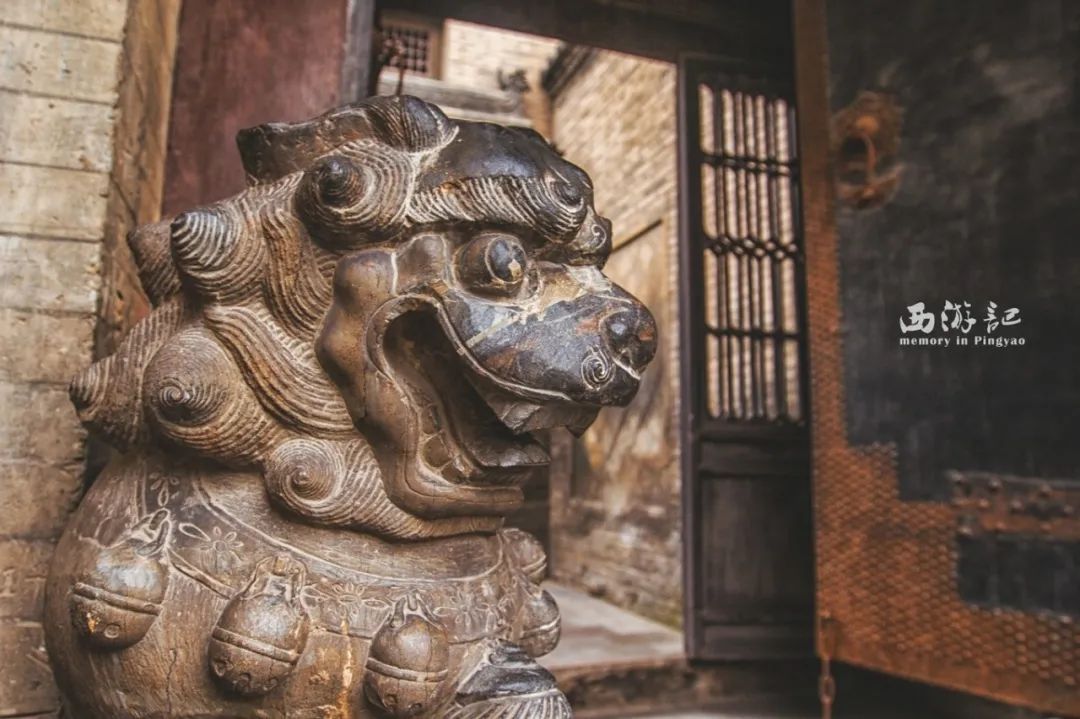
❤️Wang Family Mansion entails all the major architectural features of north China peasant homes. It's buildings and decorations reflect strict social hierarchy of the time, and all of the carvings and statues have lots of meanings and stories behind them
❤️Zhangbi Ancient Castle, an intact ancient military castle combined with living, production and religious activities
❤️Jinci Temple (Jin Ancestral Temple)is a combination of historical cultural relics and beautiful landscapes.
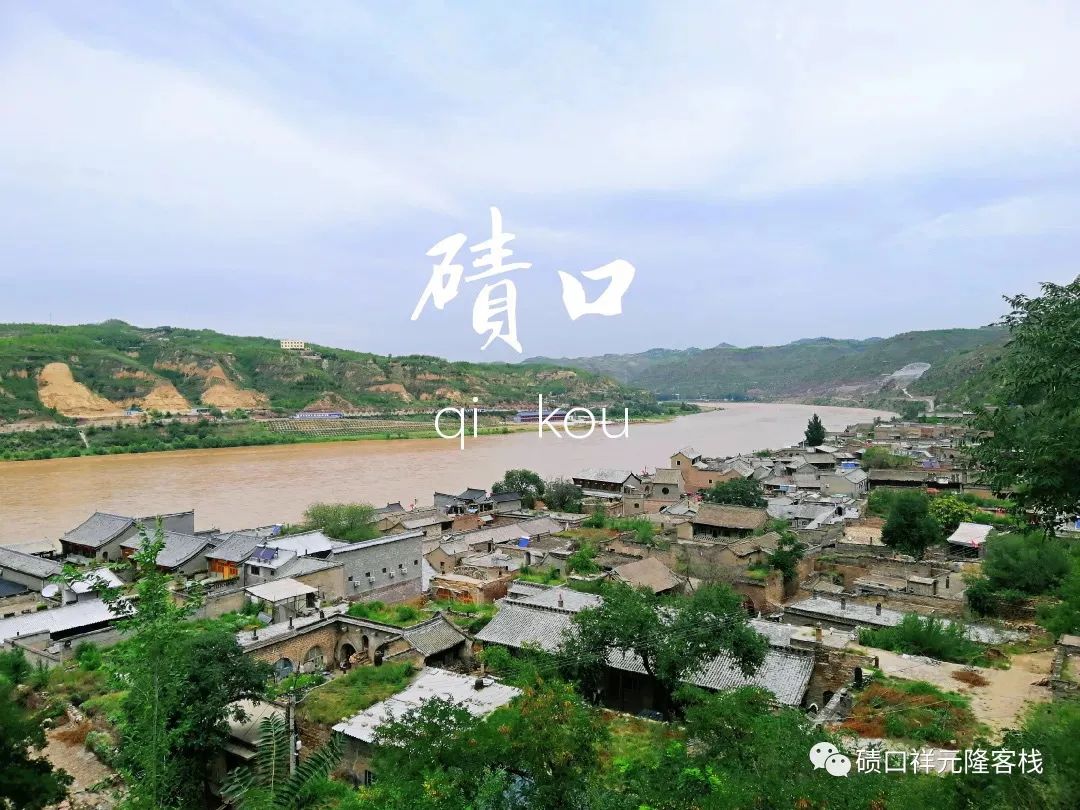
❤️Qikou Ancient Town providing an original sight-seeing experience while adding to the unique layout of the town. One of several unique aspects of Qikou Ancient Town is its preservation of buildings, shops and historic relics that date back over two centuries
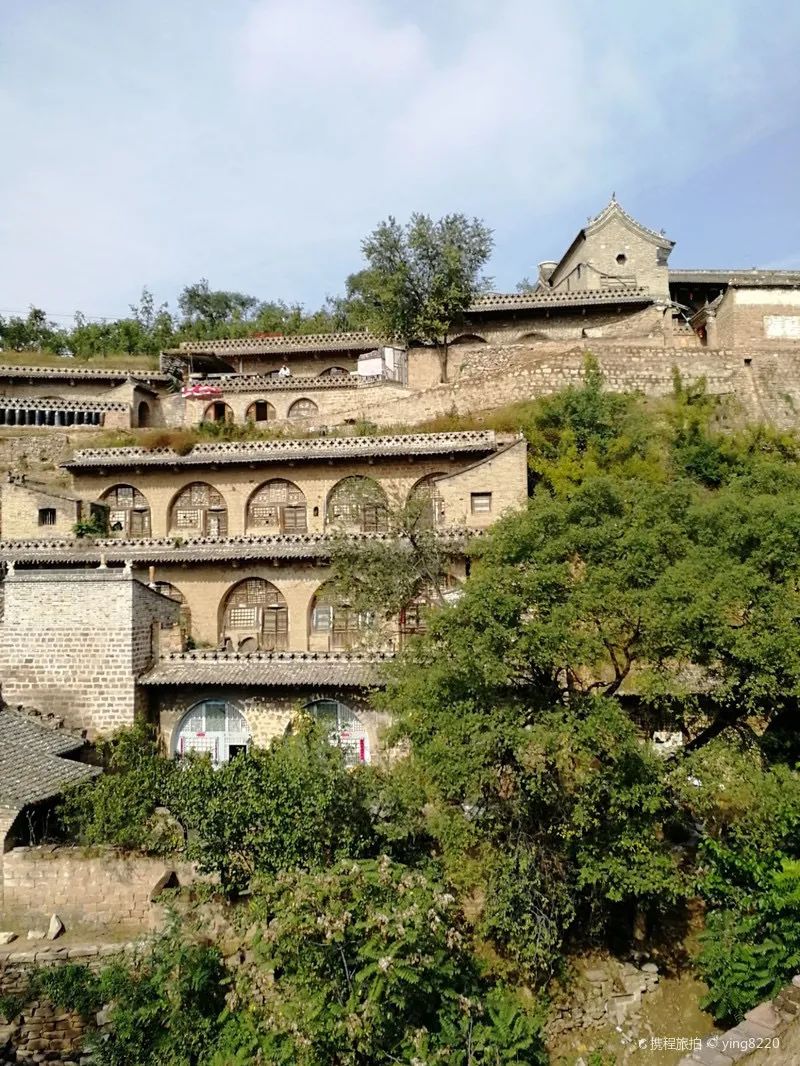
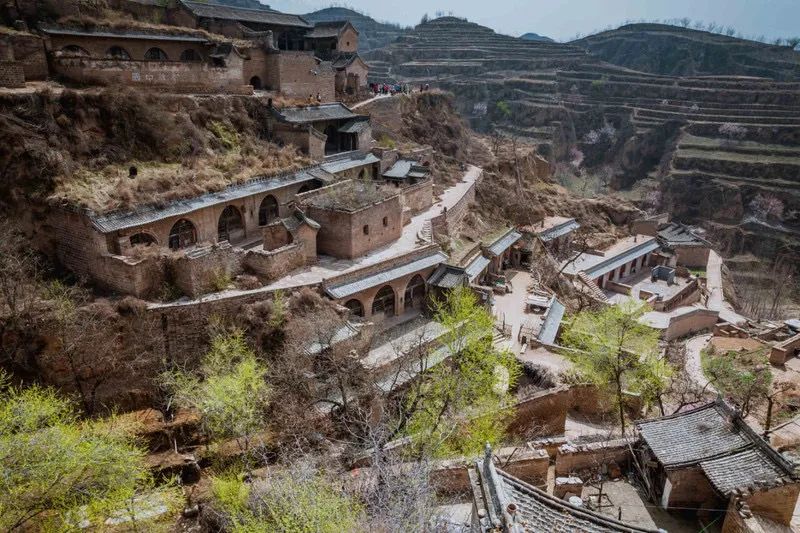
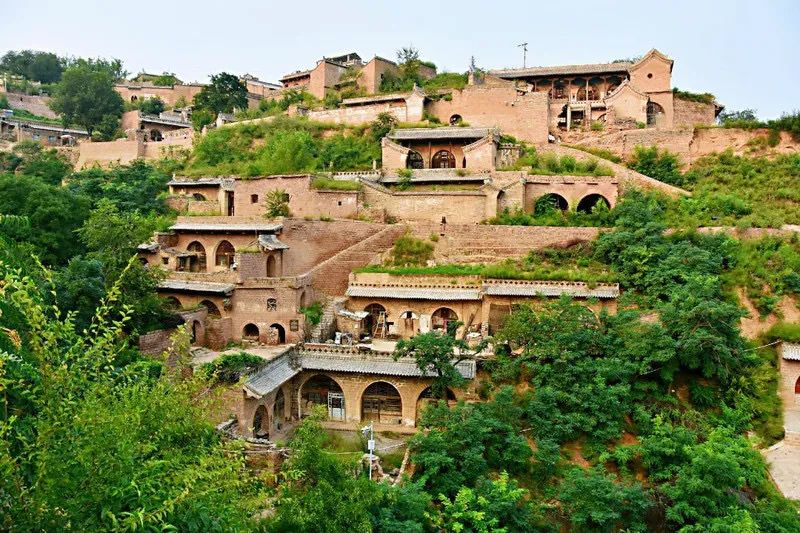
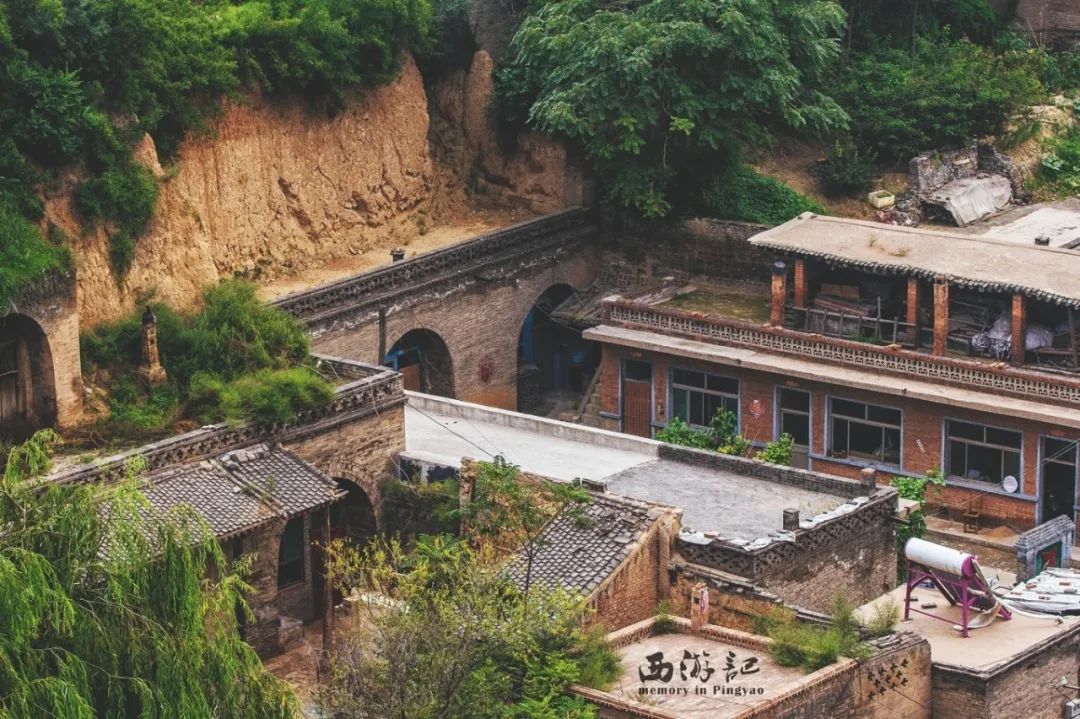
❤️Lijiashan Cave-Dwelling Village:This supremely peaceful 550-year-old village, hugging a hillside with terraces of crops running up it, has hundreds of cave dwellings (窑洞, yáodòng) scaling 11 levels
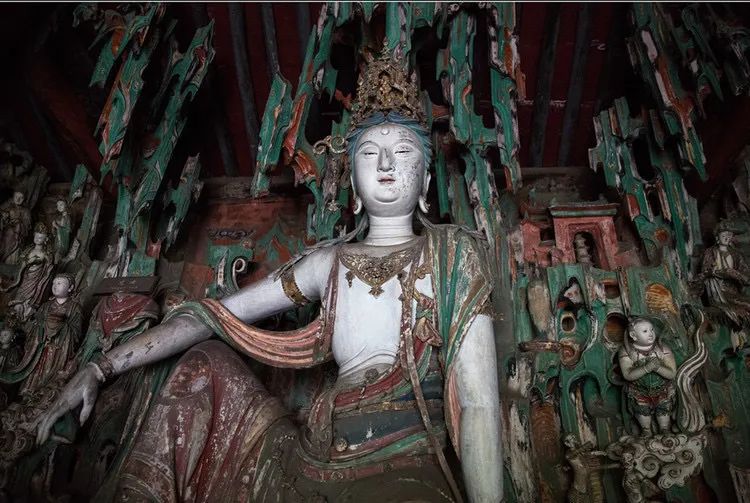
❤️Shuanglin Temple has so many splendid painted sculptures in the temple that it is known as the ‘treasure-house of the sculpture art of the Orient’.

National Day and Mid-Autumn Festival
October 1 – 8, 2020
(8 days in total; Thursday to Thursday)

ITINERARY
- DAY.1 -
>>>Oct.4th<<<

 From modern to the ancient heart of China
Morning
Meet at the meeting points(refer to basic content below) in the early morning and head to Shanxi. Bus drive will take around 8 hours.
Afternoon
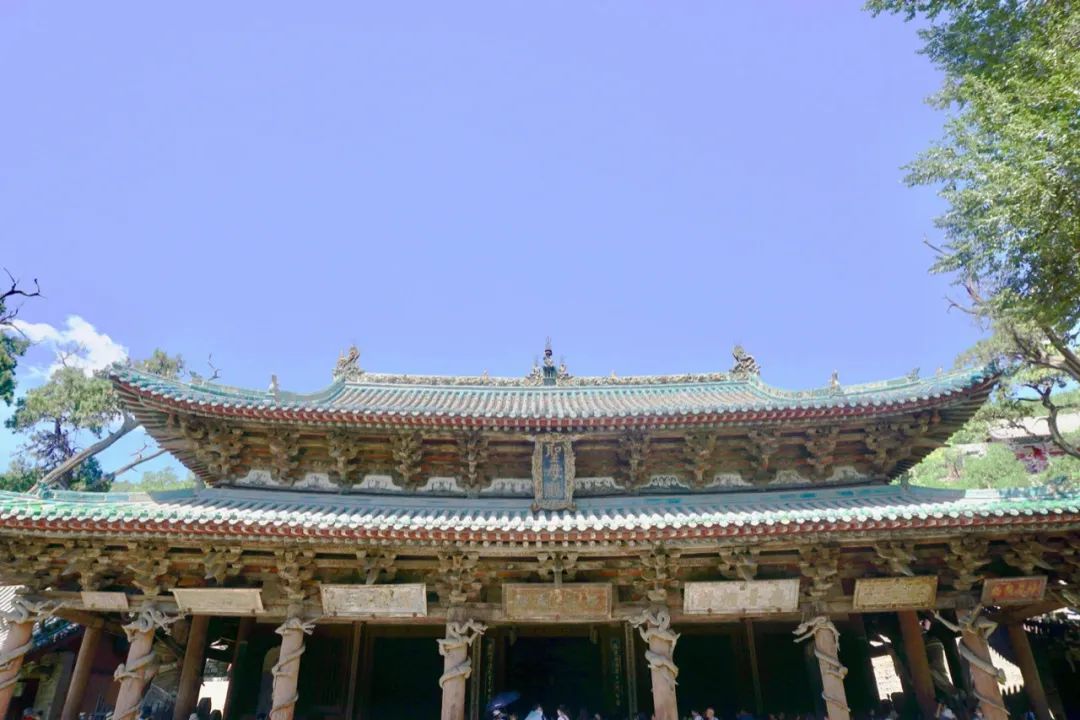
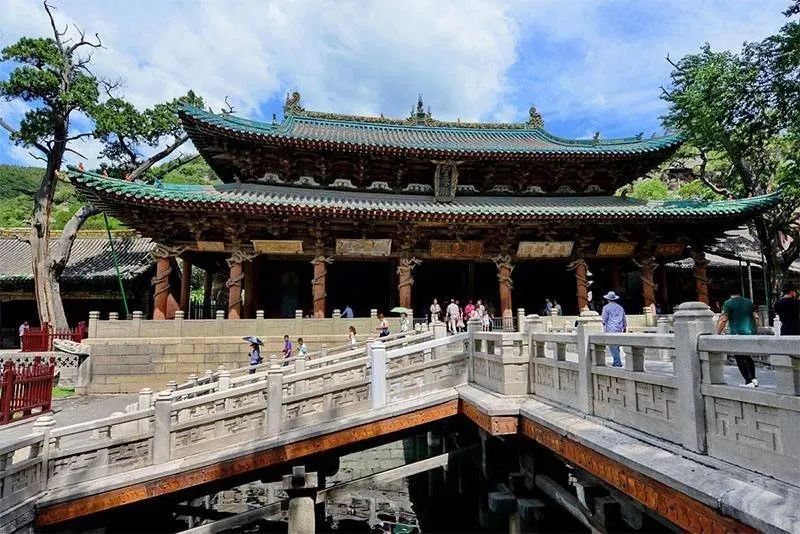
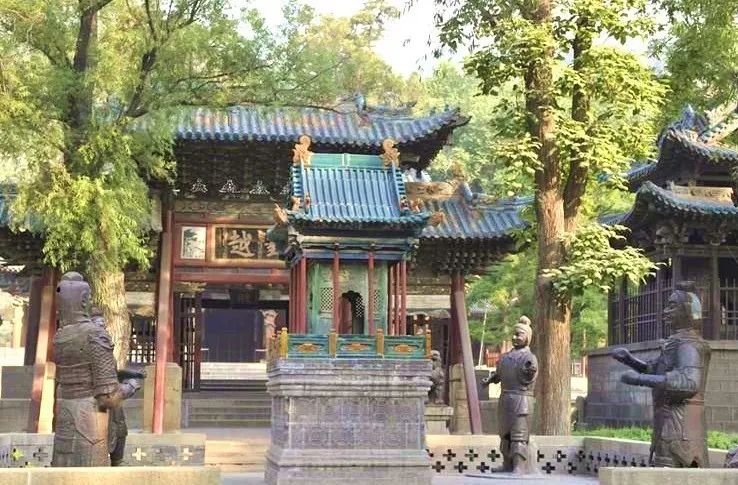
Arrive at Jinci Temple(the oldest wooden structure in Taiyuan) in the afternoon. Over the dynasties, Jinci Temple has been a site for the worship of ancestors, water deities and a plethora of gods; it was also an imperial garden where religious rites and sporting contests were held. The highlights are structures on the central axis, including the magnificent Hall of the Sacred Mother.
We gonna Visit for 1~2 hours and go to Taiyuan for hotel.
Meals: Hearty local dinner
Hotel Accommodation: Hotel In Taiyuan
- DAY.2 -
>>>Oct.5th<<<





Enjoy the Lijiashan Cave-Dwelling Village & Qikou Ancient Town
Morning
Check out early in the morning and leave Taiyuan for Qikou. Bus Drive takes around 3.5 hours.
Noon
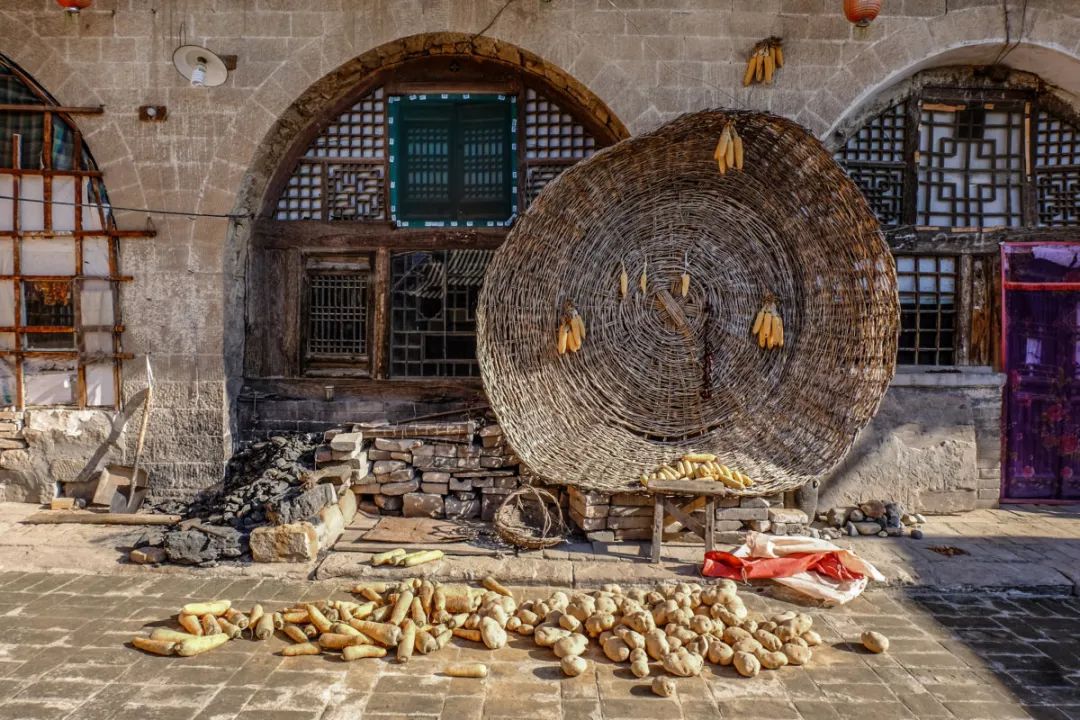
We will arrive at noon and spend the whole afternoon there. You may explore the unique cave-dwellings that serve as a global attraction. Each cave-dwelling was created by digging out individual cave-like holes on the face of steep slopes. Some of these complexes are over six layers high.
Afternoon
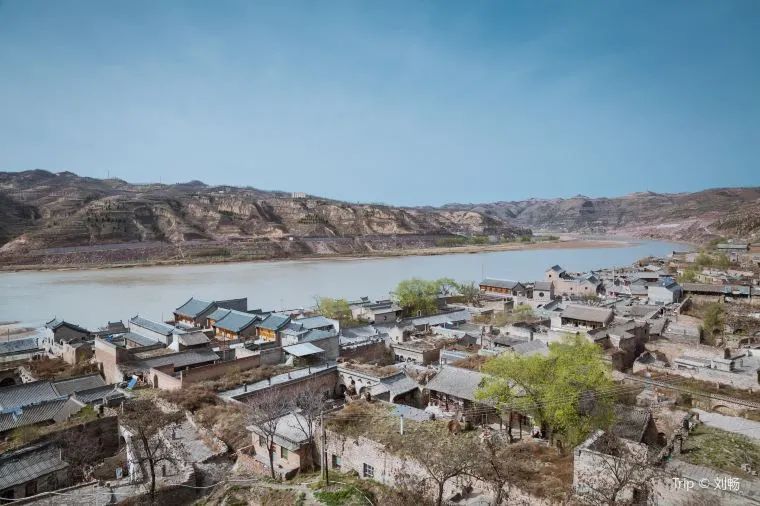
Following, you will proceed to Qikou Ancient Town,we will check in the hotel there and the rest of the day will be left on your own.The Qikou Ancient Town used to be a prosperous transportation hub and major commercial center, but now has been listed as one of the endangered cultural sites by World Monuments Fund. The Lijiashan, a 550-year-old village, is a dream place for travelers to experience Shanxi’s cave houses.
Meals: Breakfast
Hotel Accommodation: Hotel In Qikou Ancient Town
- DAY.3 -
>>>Oct.6th<<<




Zhangbi Ancient Castle & Wang Family Mansion
Morning
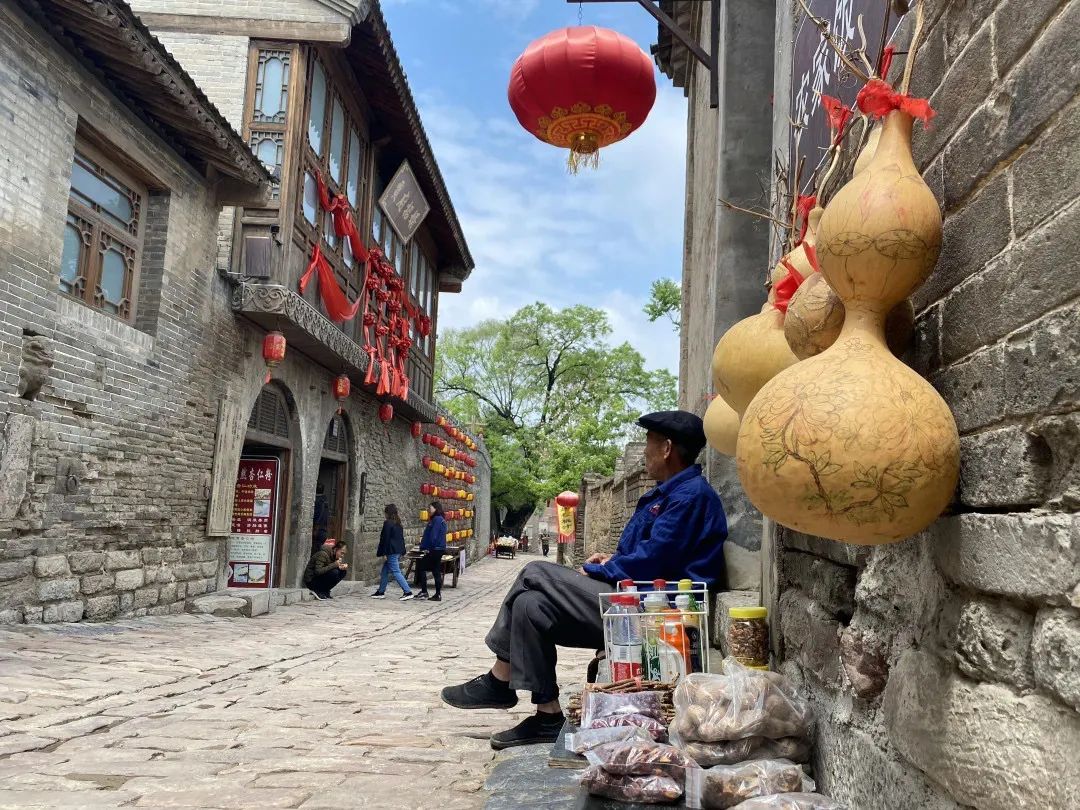
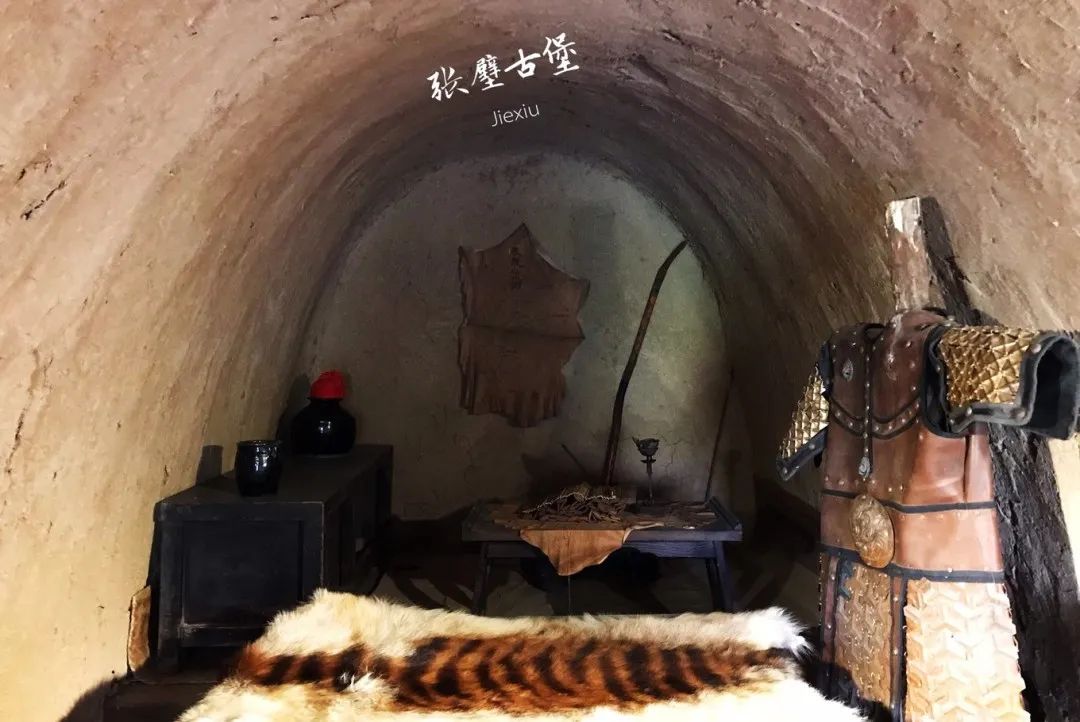
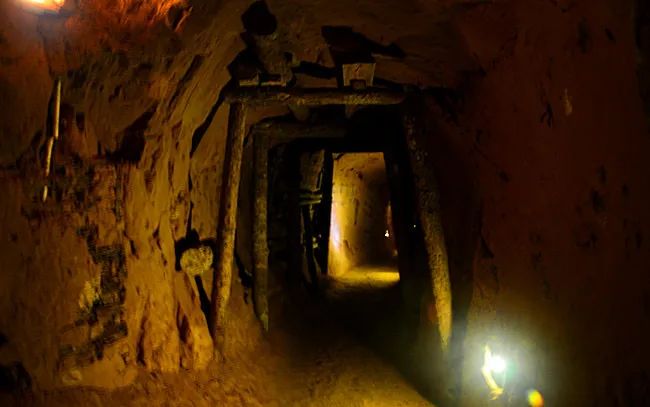
After checking out from the hotel,head to the Zhangbi Castle(3.5h driving), an intact ancient military castle combined with living, production and religious activities. The whole castle remains its original pattern and presents the glamorous rusticity. The prestigious military use is worth mentioning, here you can enjoy a special experience walking through the special-designed tunnels, which is the mysterious underground defense system of the ancient fort. Besides, delight in the tranquil ancient village while strolling leisurely on the country path and appreciate the rich cultural history.
Noon
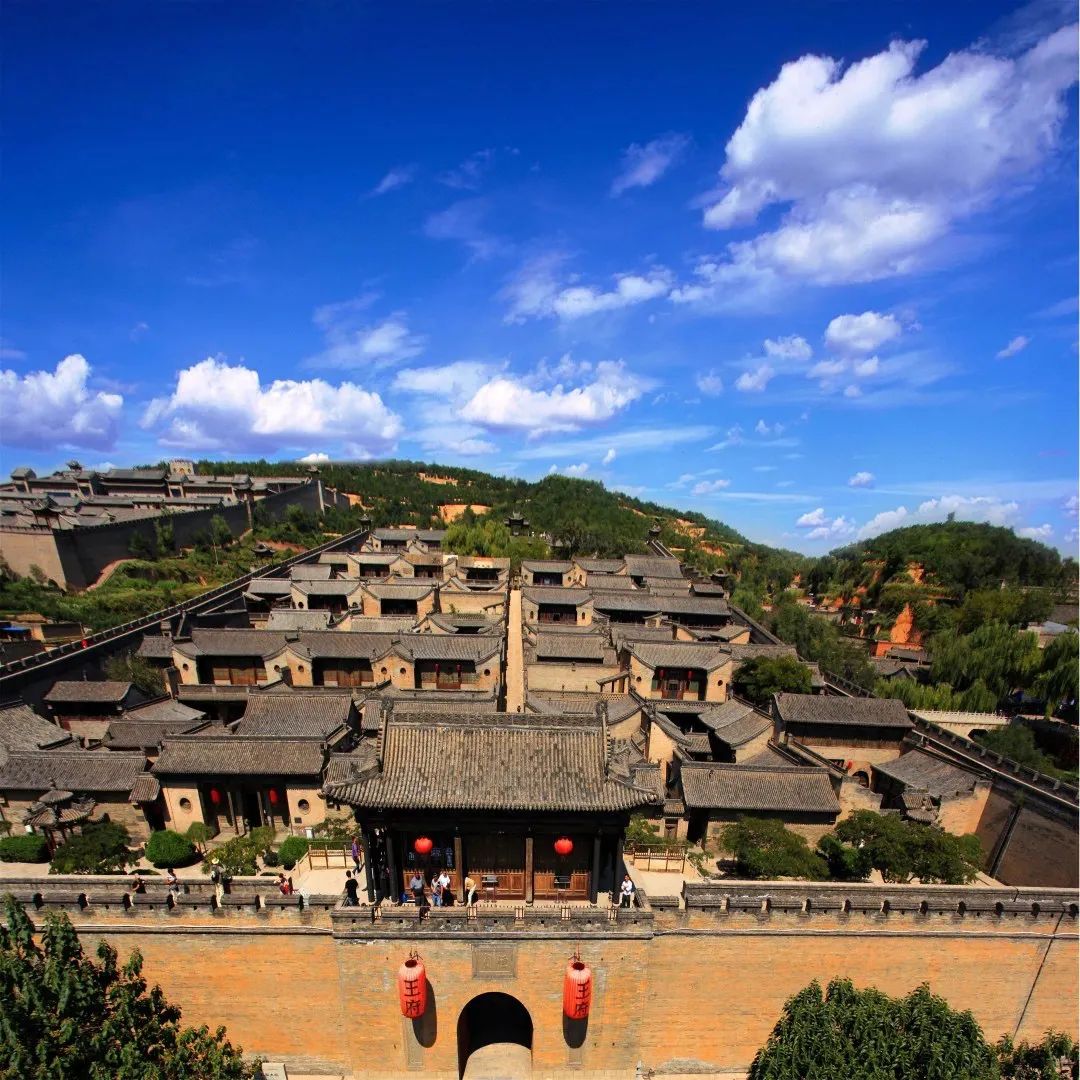
After a Chinese lunch, drive about 40mins to visit Wang Family Mansion. This huge magnificent courtyard complex occupies a higher ground overlooking a broad landscape. It boasts 123 courtyards and 1,118 rooms which resident complex of a famous commercial and financial capitalist. It is very famous for its sheer size and ornamental structures. It looks like a small walled city, displaying the wealth of Wang family more than 200 years ago.
Night
We will stay at a hotel with local characteristics of Pingyao tonight, as this makes it more convenient for you to stroll around the city in the evening and early morning.
Meals: Breakfast
Hotel Accommodation: Hotel with local characteristics of Pingyao
- DAY.4 -
>>>Oct.7th<<<




Pingyao Ancient Town
Morning
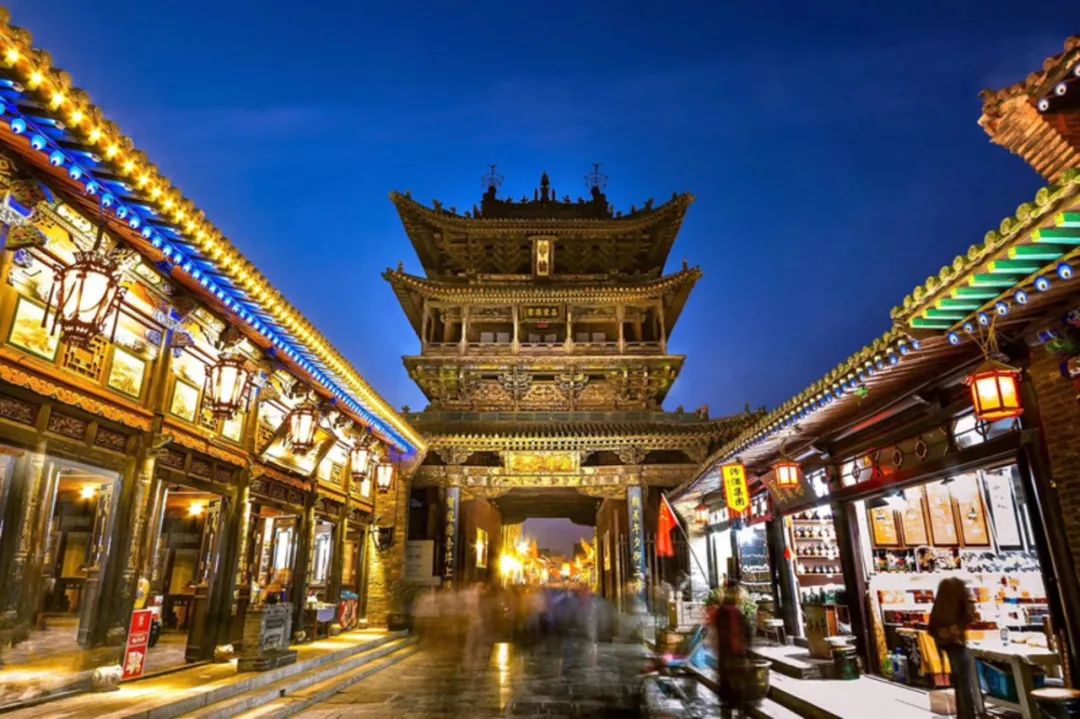
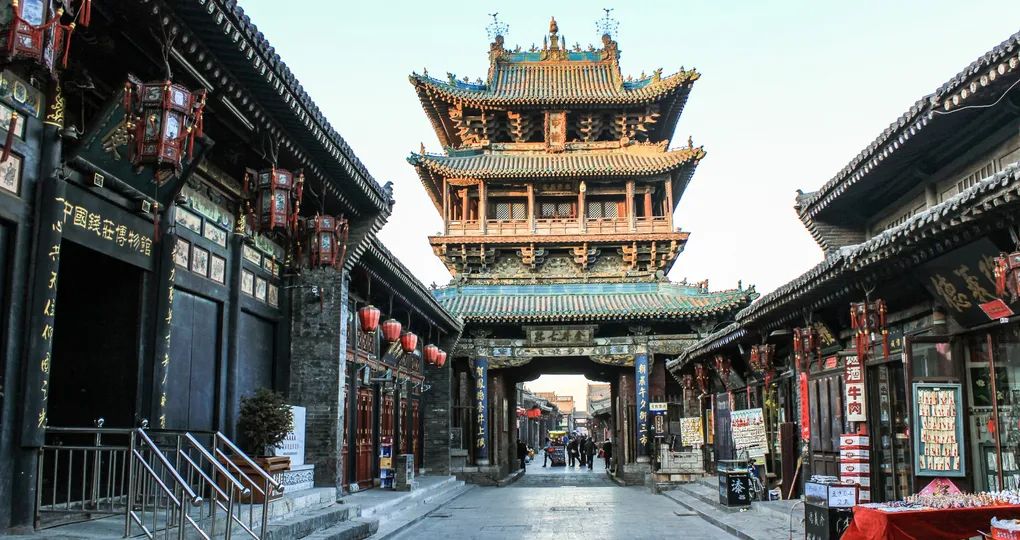
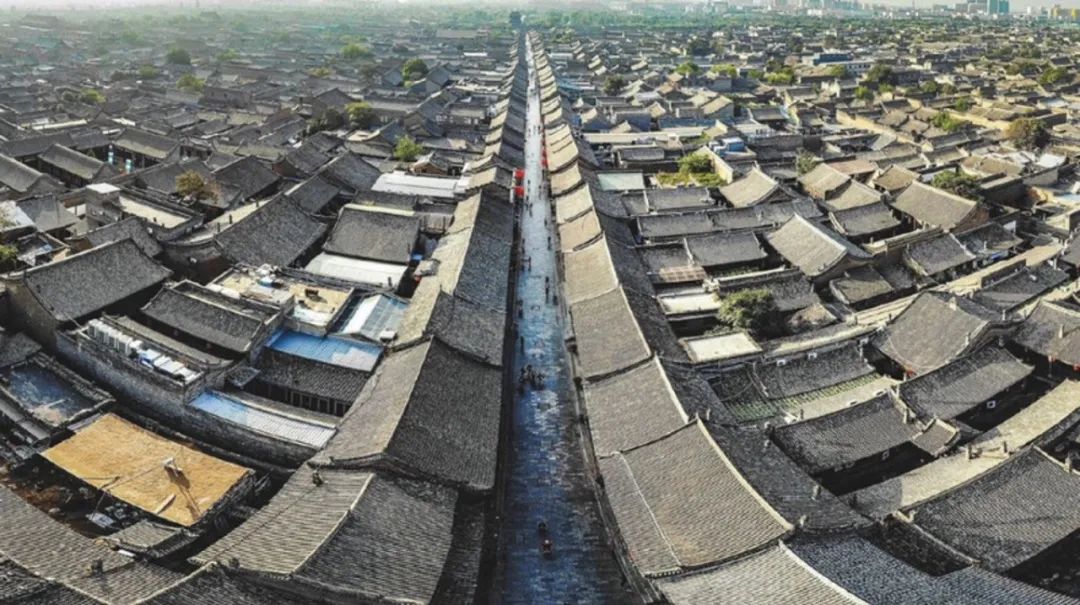
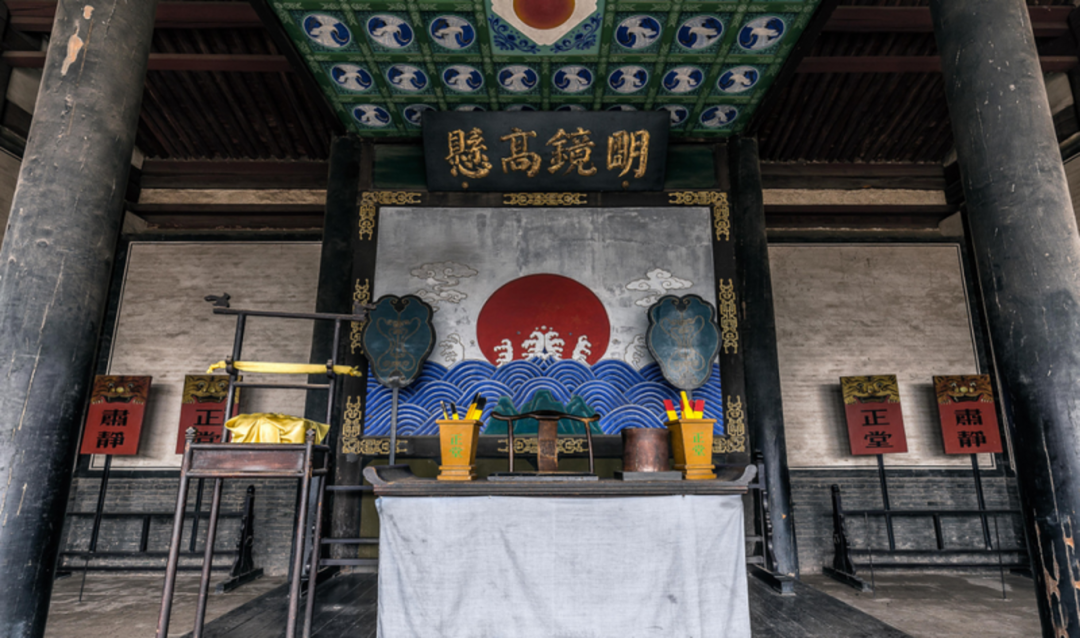
you will start a walking tour of the Pinayao Old City. Founded during the Western Zhou Dynasty (1046 – 771 BC) and rebuilt in 1370, the Pingyao old city is nowadays one of China's four best preserved old cities. Step into the city, the old past comes alive. The Ming Qing Street is flanked with shops of local handicraft. Rishengchang shows us the glory of the first Chinese exchange shops. The ancient government office tells everything about the bureaucracy of the feudal society. If time allows, you shouldn’t miss the Temple of City God, Confucius Temple and museums in different themes. Immerse yourself in the atmosphere of old times lifestyle and appreciate the charms of old China.
We still live in the ancient city of Pingyao today.
Meals: Breakfast
Hotel Accommodation: Hotel with local characteristics of Pingyao
- DAY.5 -
>>>Oct.8th<<<




Shuanglin Temple
Morning
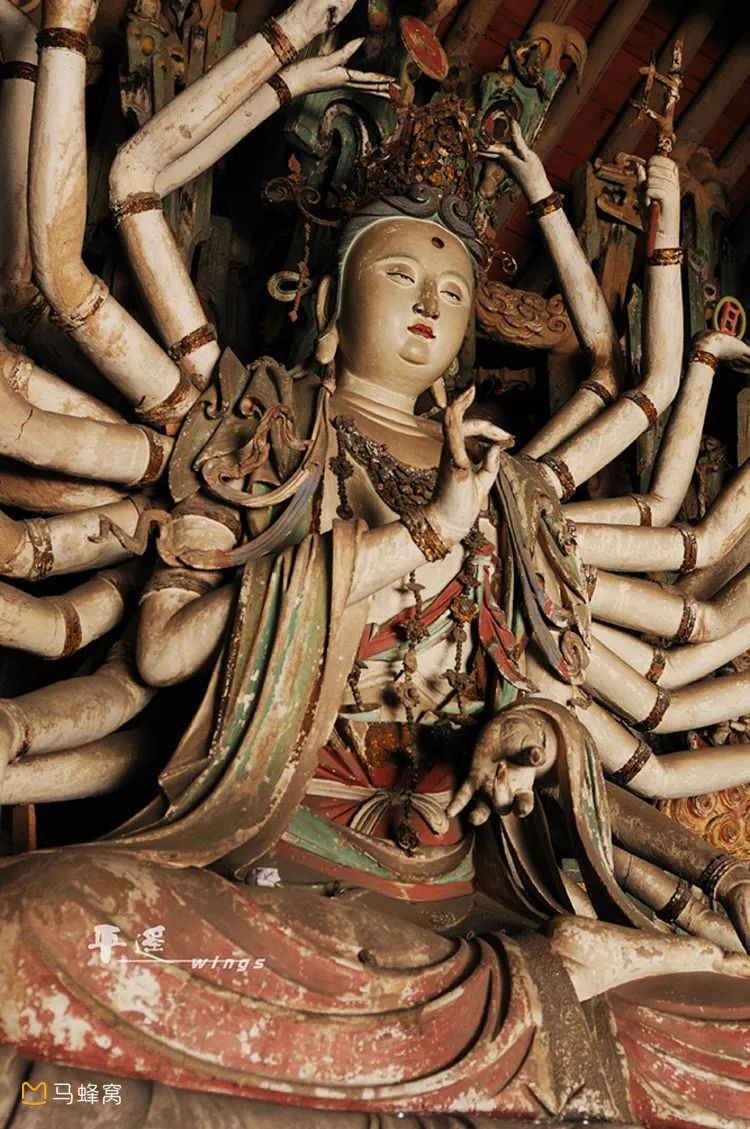
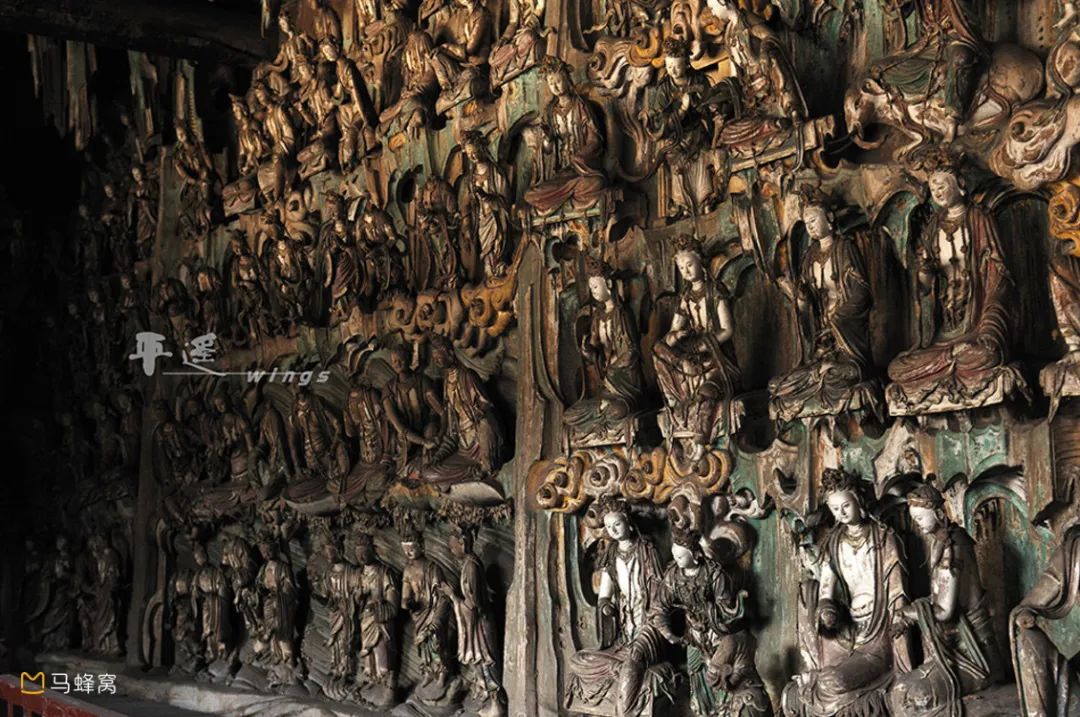
The last stop for today will be Suanglin Temple. We will explore Shuanglin Monastery boasting a long history of over 1,400 years.This fascinating Buddhist temple houses many incredibly rare, sublimely carved Tang, Song and Yuan painted statues.
Noon
After that, we will set off to return to Beijing. The journey will take about 8 hours. We will return to Beijing at about 9pm.
Meal:Breakfast
Stay:None


BASIC CONTENT
/ Group Discount /
≧3people, 50rmb off/person
≧8people, 100rmb off/person
Fee included:
Cost excluded:


REGISTER

Hotel environment:


About the area:
Jinci Temple
This sprawling complex sits on the source of the Jin River in arid Shanxi. The earliest structures and the irrigation canal (which still gushes on rainy days) were built between the 7th and 2nd centuries BC. Over the dynasties, Jinci Temple has been a site for the worship of ancestors, water deities and a plethora of gods; it was also an imperial garden where religious rites and sporting contests were held. The highlights are structures on the central axis, including the magnificent Hall of the Sacred Mother.

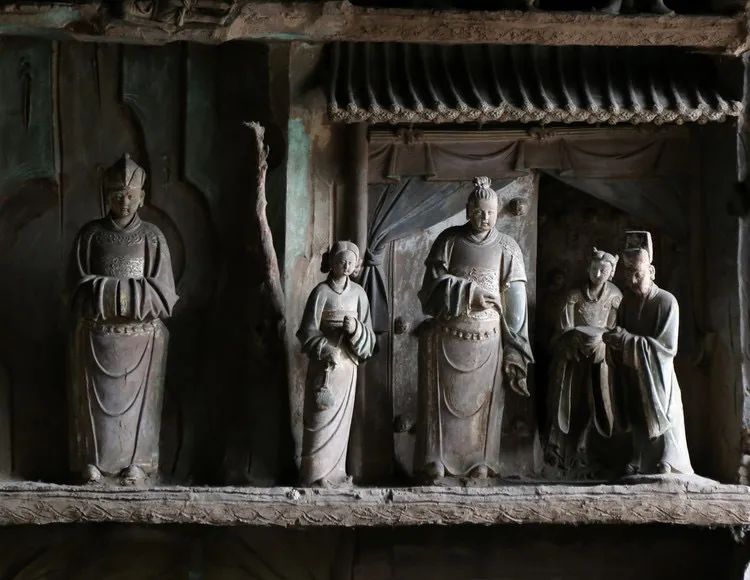
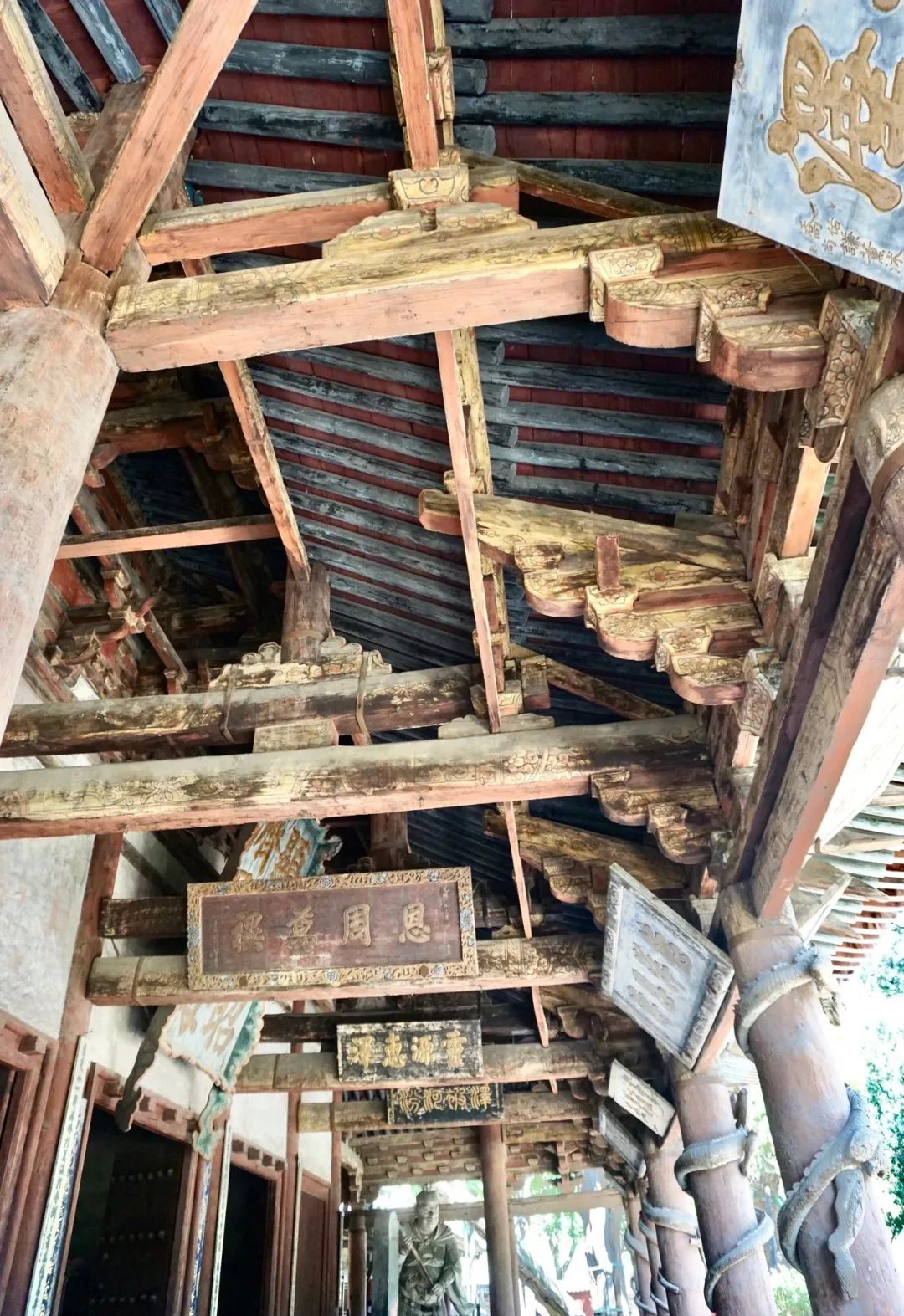
The Hall of the Sacred Mother (圣母殿, Shèngmǔ Diàn) is a gorgeous wooden structure first built (without using a single nail) in AD 984 then renovated in 1102. Eight dragons twine their way up the first row of pillars. Inside are 42 Song dynasty clay maidservants of the sacred lady, the mother of Prince Shuyu, who founded the state of Jin (772–403 BC). Adjacent is the Zhou Cypress, an unusual tree that has been growing at an angle of about 30 degrees for the last 900 years. In the River Goddess Building, raised in the 16th century, the said deity sits in a cave-like niche, a psychedelic cloud-and-wave mural behind her. Fragrant pines and stately cypresses lend the temple complex an air of graceful antiquity that is complemented by younger and shorter rose bushes and apricot trees.
Many of the signs and labels on the compound are bilingual.


Lijiashan Cave-Dwelling Village
The village of Lijiashan (李家山 Lǐ jiāshān) represents a beautiful and interesting example of cave houses village, a peculiarity of the Loess Plateau.
The Loess Plateau spans the Northern part of China through the provinces of Shanxi, Shaanxi, Gansu, Ningxia and Henan, and it’s inhabited by almost 50 million people.
The unusual environmental and climate conditions of the plateau inspired the development of an unique vernacular typology: the Yaodong.
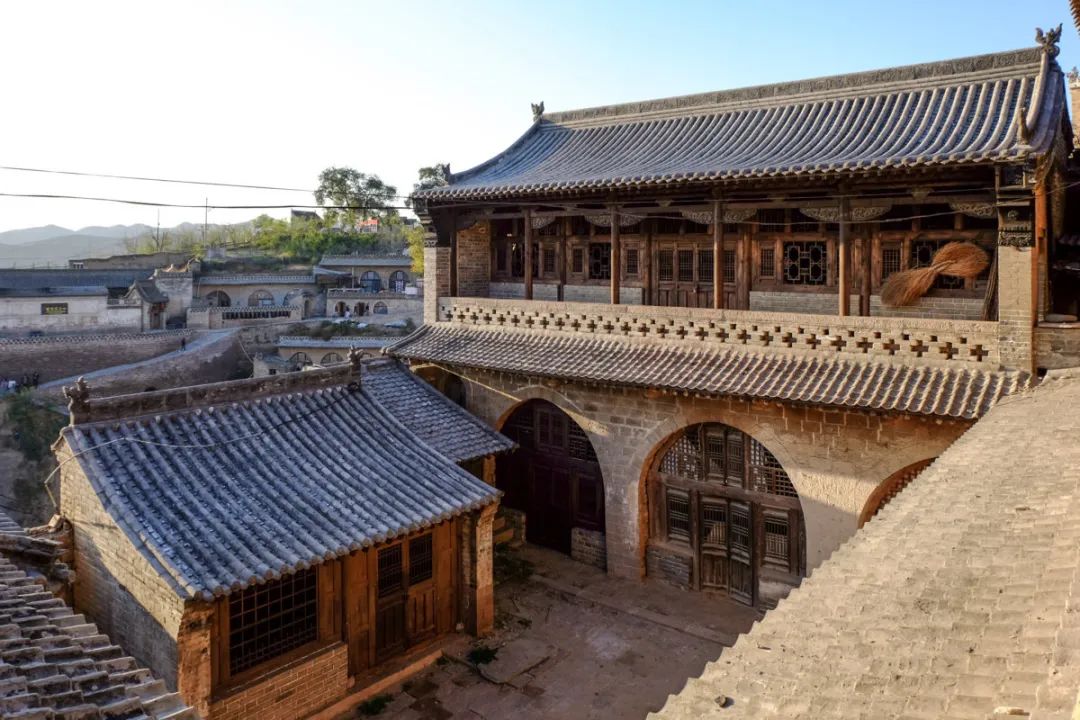

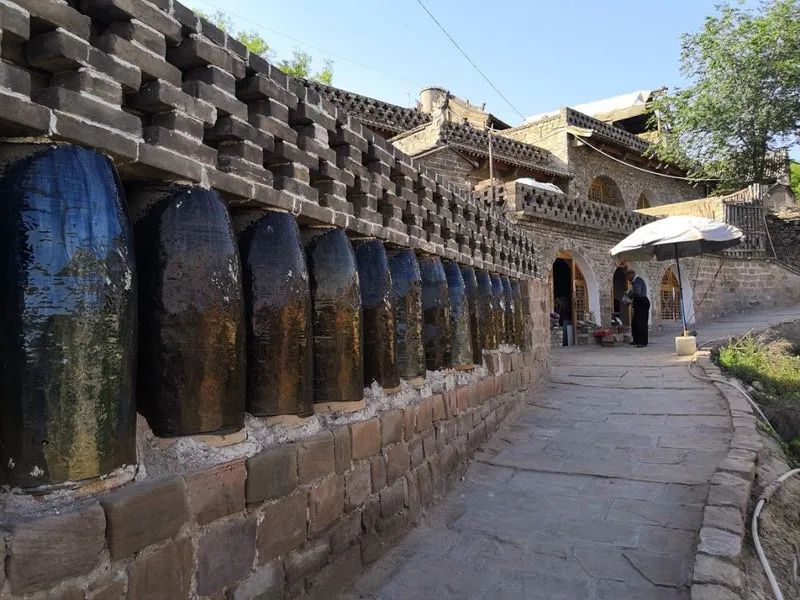
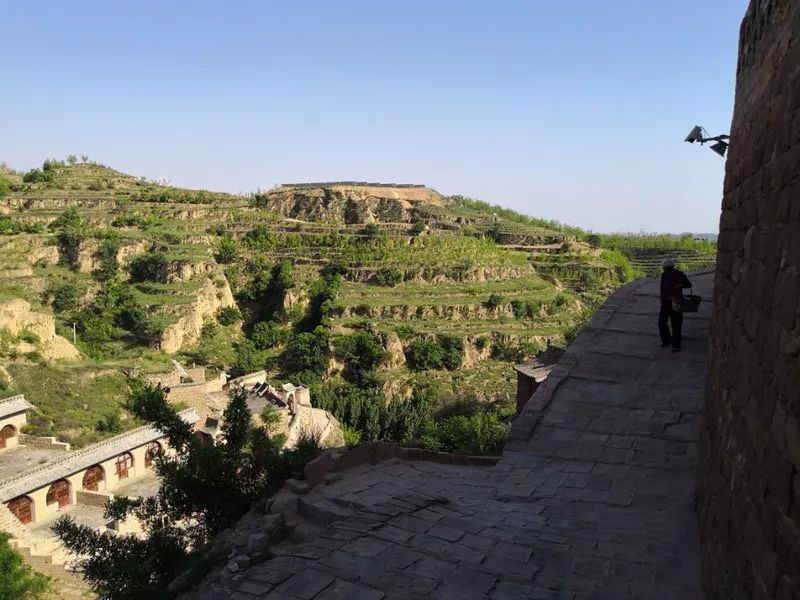
Yaodong (窑洞) literally translates to “cave house”, and there are 3 different variations depending on the conditions of the terrain:
– Cave dwellings dug in cliffs (靠崖窑 – kàoyáyá) are usually built along slopes and cliffsides and can be several stories high.
– Sunken courtyard houses (地坑院 – dìkēngyuan) consists of rooms that are excavated around a sunken courtyard dug in the ground.
– Stand alone cave dwellings (箍窑- gūyáo) means the structure of the house is not dug or excavated, but stands above ground as an independent building. The inner space maintains the vaulted structure, achieved using bricks or stone to build the arches. The space between the arched structures is filled with earth.

Sunken courtyard house – dìkēngyuan
It is estimated that millions of people still live in Yaodong style dwellings in the Loess Plateau.
This kind of building is very cheap and efficient in term of material, construction, and maintenance; and most of the living spaces are simply excavated into the earth or the rock of the plateau.
The rooms are characterized by vaulted ceilings and really thick walls, which guarantees greater thermal insulation, maintaining an interior space that is warm in winter and cool in summer.

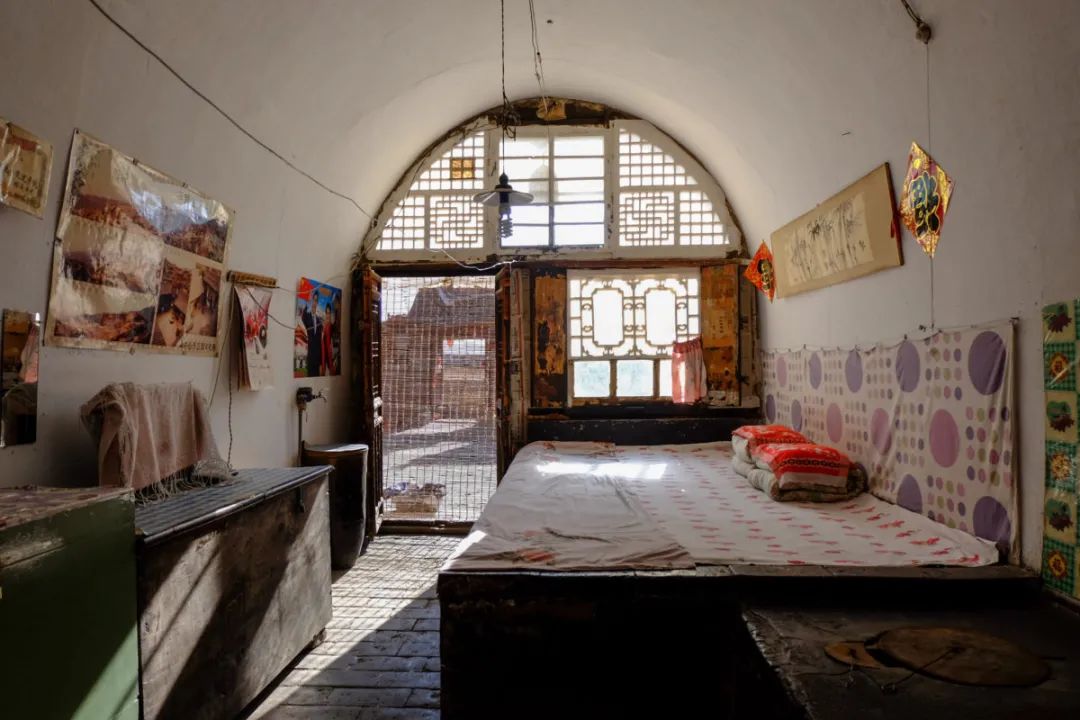


The dug-out rooms represents the basic unit part of this typology, and therefore the most simple of these dwellings are only characterized by three rooms, one next to the other, simply closed off from the outside with a wooden frame façade and paper as cladding.


Qikou Ancient City
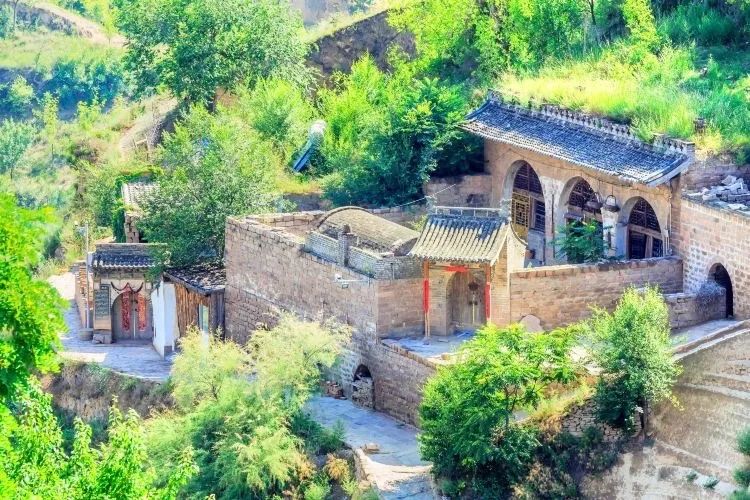
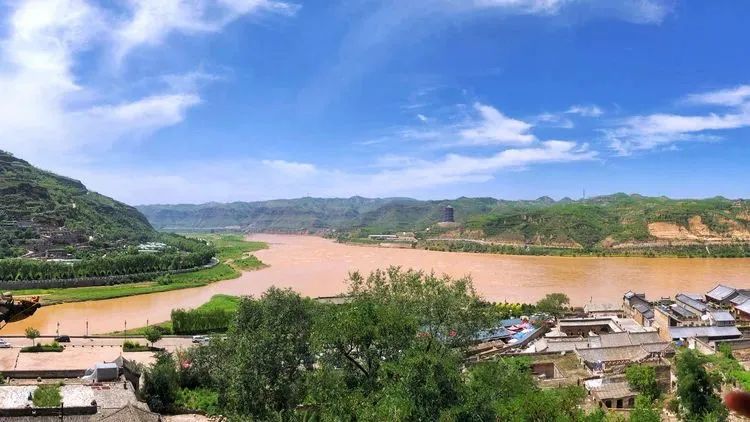
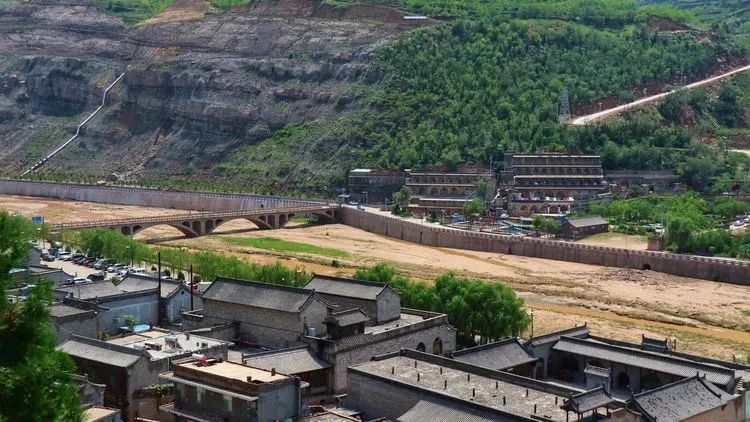
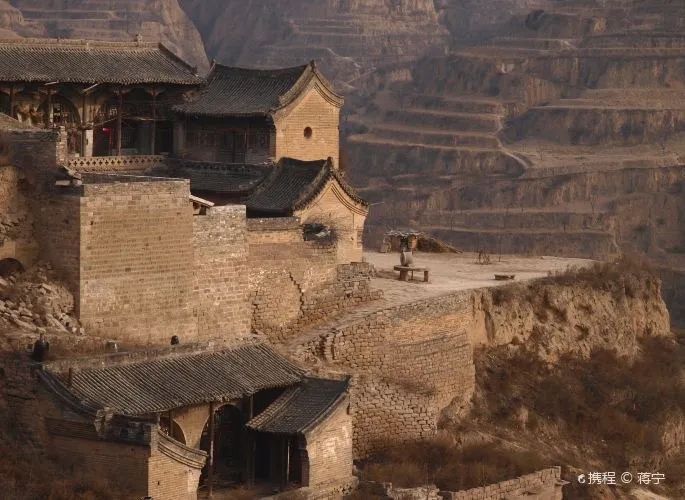
Facing west of The Yellow River and east of the majestic Wohu Mountains sits Qikou Ancient Town, located in the Luliang Prefecture of Shanxi Province. Centuries ago Qikou Ancient Town attracted many merchants due to its favorable and unique port location, connecting it to land and water. Serving as a transportation route accessing local waterways, Qikou Ancient City became a major commercial center. To this day we can still see the trace and habits left by the people centuries ago.
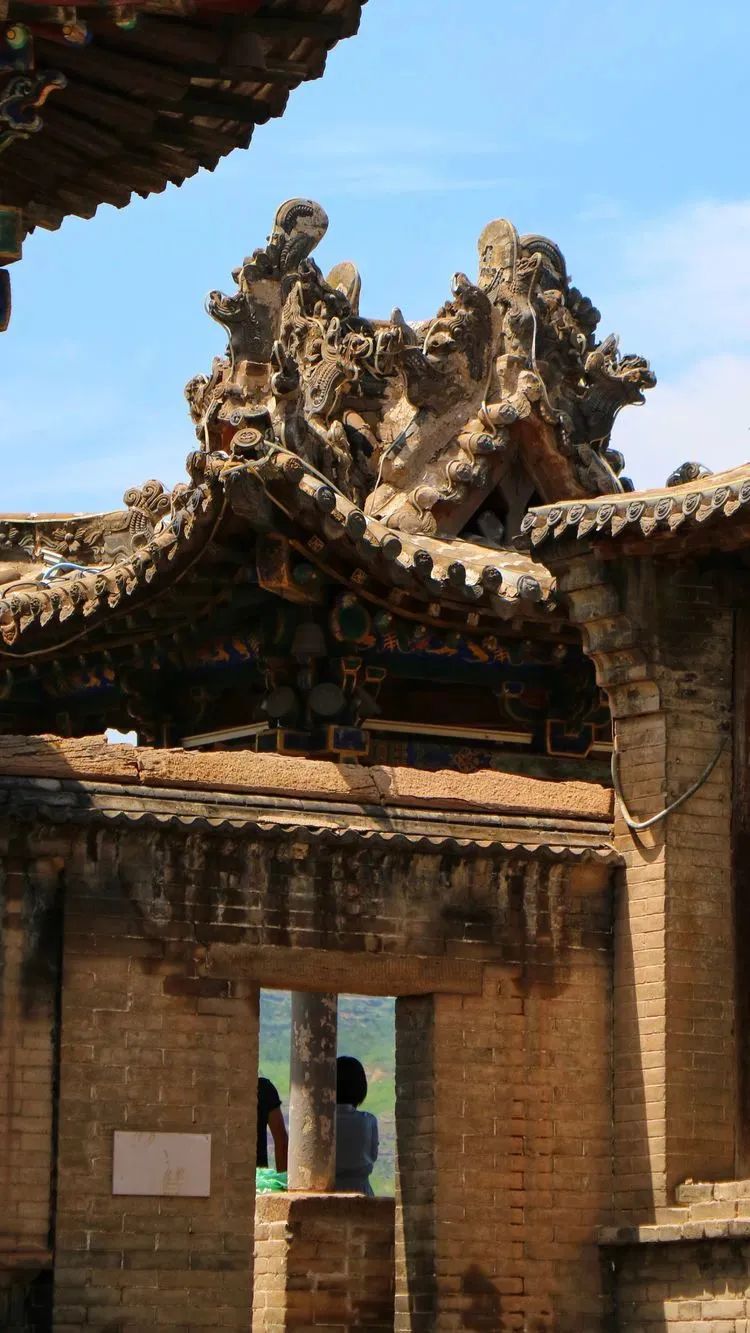

The history of Qikou Ancient Town
With unique geographical location, Qikou was an important hub that promoted the economic and cultural interactions of China’s West and East. In the old times, the goods of Qikou was transported from this offshore terminal of Yellow River to Lanzhou and Wuzhou of west, Baotou and Wuyuan of north, Handan and Zhengzhou of south, and Taiyuan, Beijing, Tianjin of East. During its heydays, more than 380 shops did business in Qikou. It remained a trade centre until the 1940s, when the War of Resistance against the Japanese started.
The fortress style of Qikou demonstrates the blended characteristics of ancient Chinese commercial town and Northwest Jin’s traditional dwellings. There were warehouses, shops, ancient bank, pawnshop, as well as chamber of commerce and tax bureau, which created a complete town business system. The business achievement also led to the prosperity in architecture and secular culture.
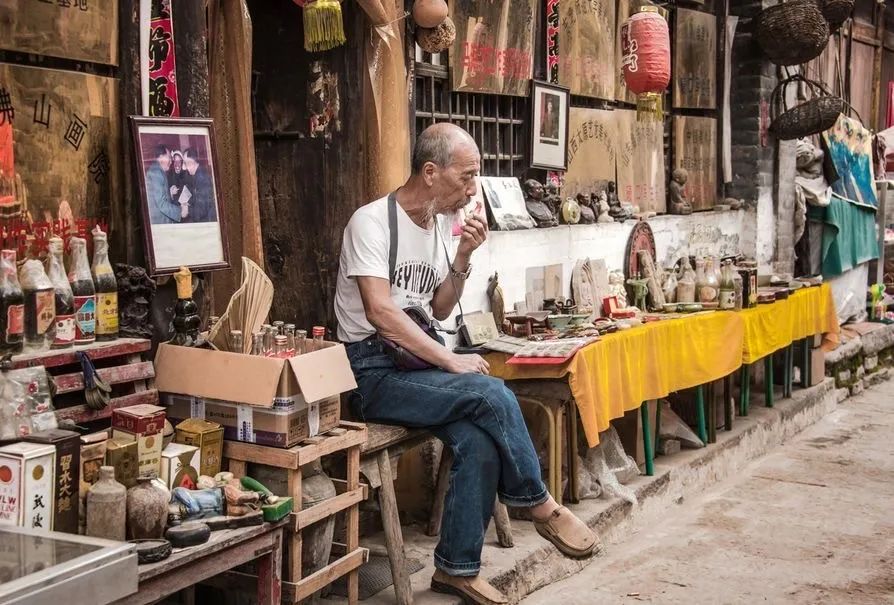
Today, Qikou town has faded from its past glory, as the modern transportation has replaced the traditional shipping. But it is well-known as an unmissable destination for backpackers, photographers and ancient dwellings enthusiasts alike.



Major sights of Qikou Town
Xiwan Village
Approximately 20-minute walking away from Qikou Town, Xiwan Village is the most attractive spot in Qikou Ancient Town, for its fortress style residence. It was built during the Ming dynasty (1368 - 1644) and home to the wealthy Chen Family. There are more than 30 family courtyards in the village linked by several north-south alleys, each with a stone arch at its entrance. Each courtyard can be easily accessible by a secret path between one another. This design was conductive to collective defense.


Black Dragon Temple
Halfway up the Lying Tiger Hill, the Black Dragon Temple is the landmark of Qikou town. This spectacular quadrangle courtyard features breathtaking views and dedicated to local gods.
Ancient streets of Qikou town
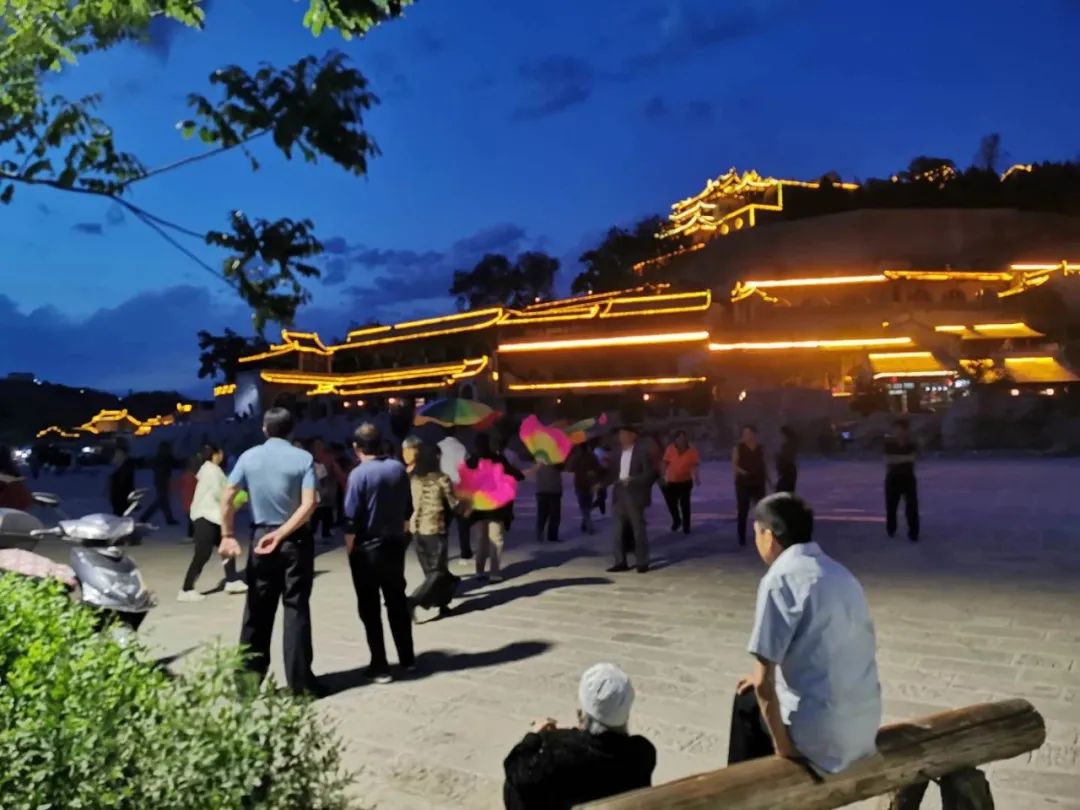
Qikou boasts a great collection of ancient architectural complex dating back to Ming and Qing dynasties. There are totally over 400 courtyards (the former commercial firms, stores, shops) in the town built along Yellow River and Qiushui River and distributed on its three streets of West City Street, Middle City Street and East City Street.



Zhangbi Ancient Castle
This network of defence tunnels stretching underground for 10km, are estimated to be 1400 years old and believed to be the longest of their kind in China. Troops were stationed here in the Sui and Tang dynasties but they were never used. Today, 1500m of tunnels on three levels have been restored. You descend as low as 26m in places and tour narrow and low passages, which were once guardhouses, bedrooms, stables and ambush spots. Older children might like the adventure.


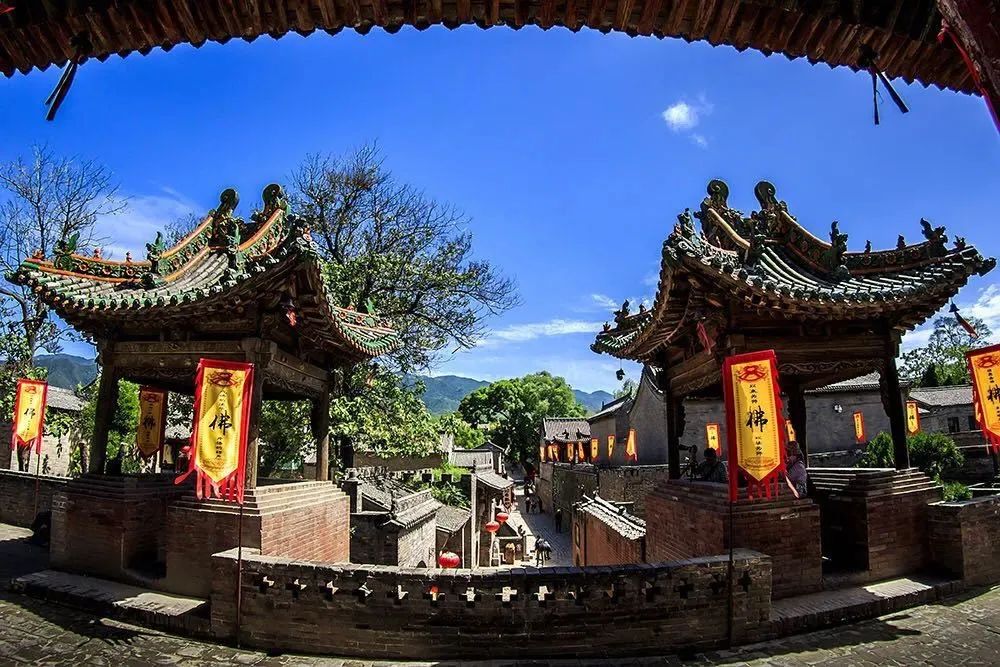

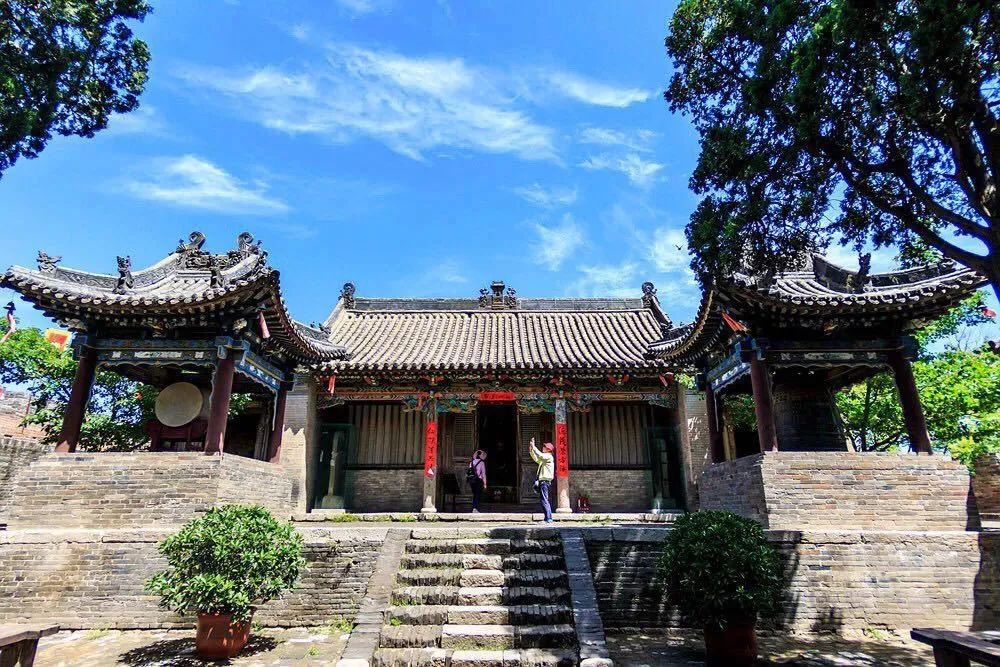
Near the entrance to the maze is a Kehan Temple, dedicated to the leader of a northern nomadic tribe. His likeness is golden and looks formidable with bulging eyes. Go to the roof of the temple for a bird's eye view of the village.
Zhāngbì Cūn (张壁村) is a still-occupied Yuan-dynasty farming village above the tunnels. It is quite picturesque, but there was a lot of construction underway at the time of research. You can wander its cobblestone streets, cave dwellings and temples for free.




Wang Family Compound
Wang Family Compound is located in Jingsheng Town, Lingshi County, 35 kilometers (about 22 miles) from Pingyao Ancient City and 140 kilometers (about 87 miles) from Taiyuan City, Shanxi Province. It is a luxurious residence built during 1762-1811 by the descendants of the Wang Family, one of the Four Families of the Qing Dynasty (1644-1911) in Shanxi Province.
Wang Family Compound occupies a total area of 150,000 square meters (about 179,399 square yards), 45,000 square meters (about 53,820 square yards) of which has been declared as a provincial protective cultural relic. It is not only an example of residential architecture, but also a museum of architectural art. Its sculptures of stone, wood and brick can be found everywhere in the courtyard. The crafts are refined and exquisite. Today, the architectural groups open for viewing are Gaojia Ya, Hongmen Bao, Chongning Bao, etc. Altogether there are 231 courtyards and 2,078 houses.


East Courtyard
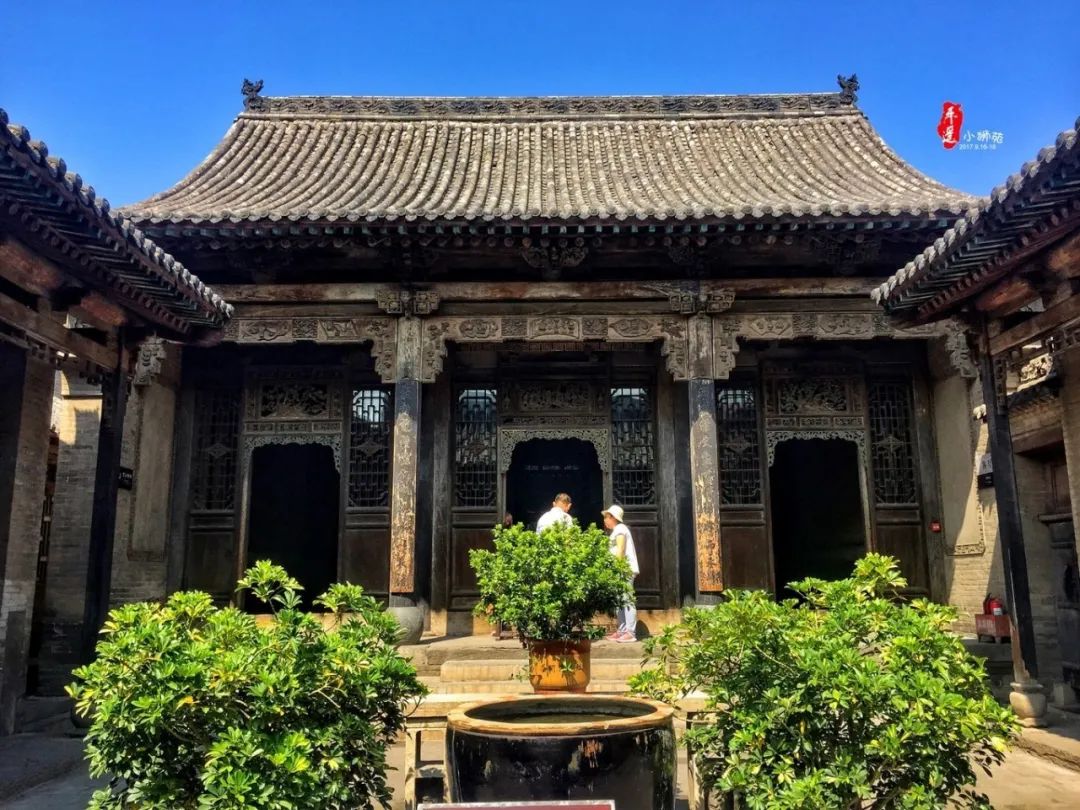
East Courtyard of Wang Family Compound, informally called Gaojia Ya, was built during the reign of Emperor Jiaqing (1796-1820) of the Qing Dynasty. It was open to the public as the Art Hall of Chinese Residences on August 18th, 1997. The complexity of the structures will make you feel like you are moving through a labyrinth. It is a cluster of courtyards, each with its own kitchen yard and private school yard. In the middle sector are two main courtyards and Beiwei Yard. In front of the main yards is a long alleyway measuring 127 meters (about 417 feet) in length and 11 meters (about 36 feet) in width. To the northeast is a small side-yard while in the southwest there is a large side-yard. At the four sides of the East Courtyard there are four gates; east gate (to the east of the long alleyway), south gate (in the middle of the alleyway), west gate (to the southwest of the large side-yard) and north gate(to the northeast of the small side-yard). You will find a large number of items belonging to the family on display in the East Courtyard.


West Courtyard
Opposite to the west gate of East Courtyard is West Courtyard in Wang Family Compound, informally called Hongmen Bao. Hongmen Bao means Red Gate Castle, taking its name from the only red gate facing the main street. The castle is 105 meters (about 344 feet) wide from west to east and 180 meters (about 591 feet) long from north to south, presenting in the shape of a regular rectangle. The main street measuring 133 meters (about 436 feet) in length and 3.6 meters (about 11.8 feet) in width divides the whole courtyard into two main areas. Three alleys of west-east direction cross with the main street, thus presenting the Chinese character 'Wang'. Hongmen Bao has 27 courtyards of different styles, splendid or delicate. The Wang Museum in the courtyard is the only example of Wang culture throughout the world.


Chongning Bao
Chongning Bao in Wang Family Compound was built cooperatively by Wang and other Family in 1725. The style is similar to that of the Ming Dynasty (1368-1644). Liqun Art Hall is located inside the castle. Liqun is a famous painter. Many of his works are displayed in this hall.
Painting and Calligraphy Hall
The Painting and Calligraphy Hall displays hundreds of excellent works while Treasure Hall contains collections of furnishings, old coins, porcelains, rare stones and jade carvings. Both displays are open to the public.


Pingyao Ancient Town
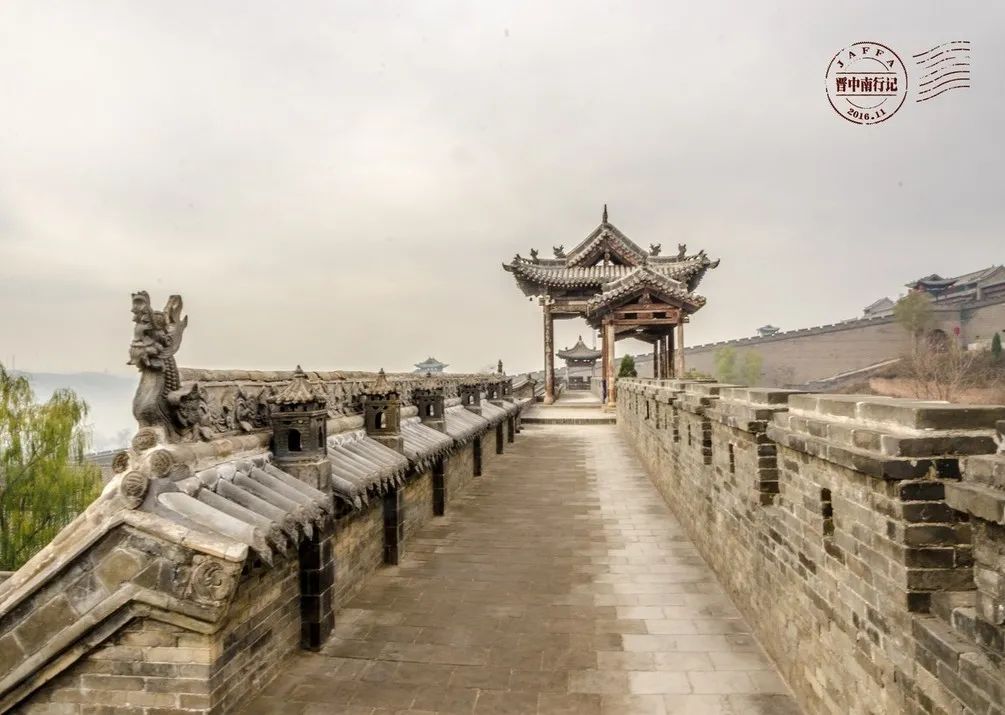
Famed for its well-preserved ancient walls, Pingyao’s old town is on many lists of the best walled cities in the world.Visit Rishenchange, the earliest draft bank in China. Established in 1823 during the early Qing Dynasty, it was the cornerstone of modern Chinese banking. Explore the City Wall, one of the best-preserved ancient walls, and the ancient government building, which functioned, once upon a time, as a government office and a court for civil disputes. It contains an executive office, a tax office, a trial hall and even a prison.Next, enjoy a delicious lunch at a local restaurant. After lunch, visit the Armed Escort Company Museum on the original site of the security firm in the Ming and Qing Dynasties. It features the history of the armed escorts and the largest ten escort companies in China and the lives of the ten most famous armed escorts in the Ming and Qing dynasties.Visit two temples, the Confucius Temple and the City God Temple. Lastly, explore Ming and Qing Street, which was the main commercial street in Pingyao. It is one of China’s cultural and historical landmarks, where both locals and tourists come to discover the antique charm of the Ming and Qing dynasties.
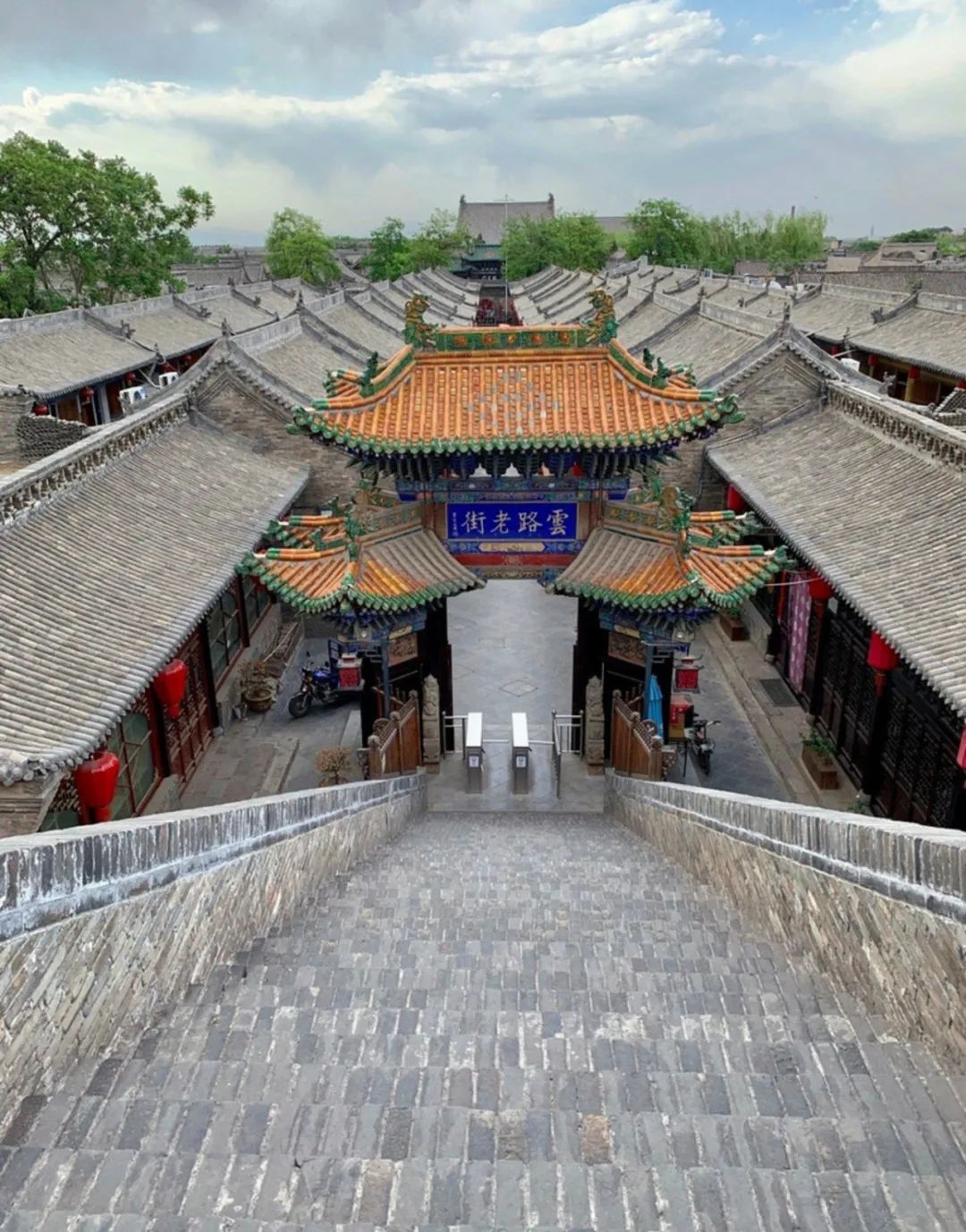


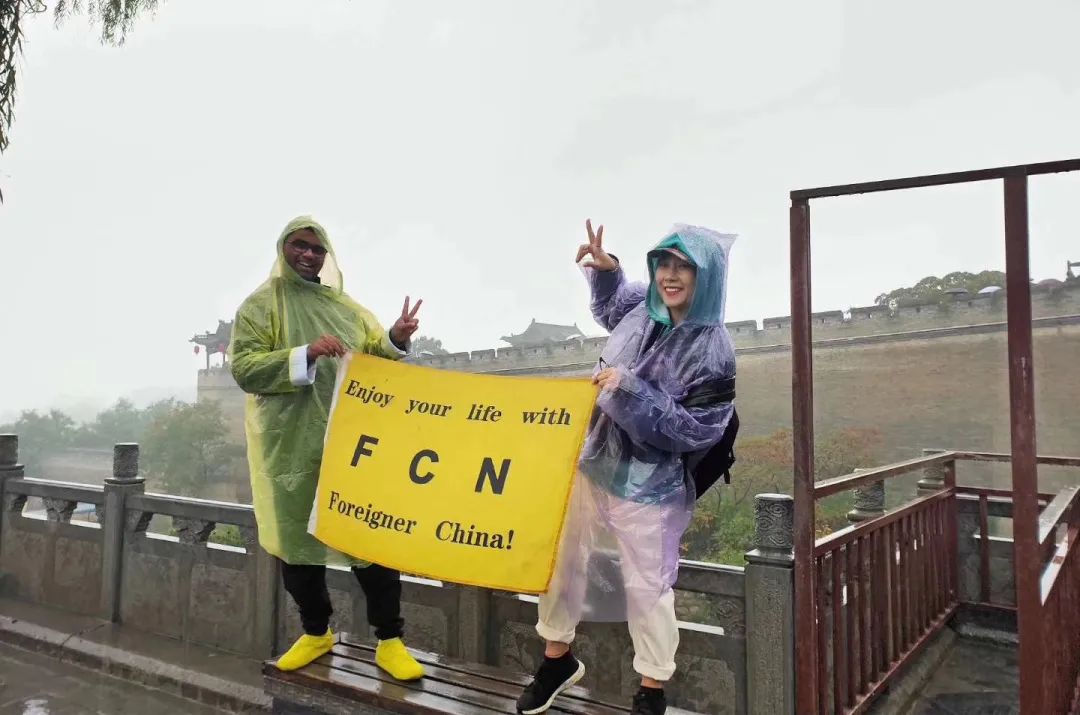
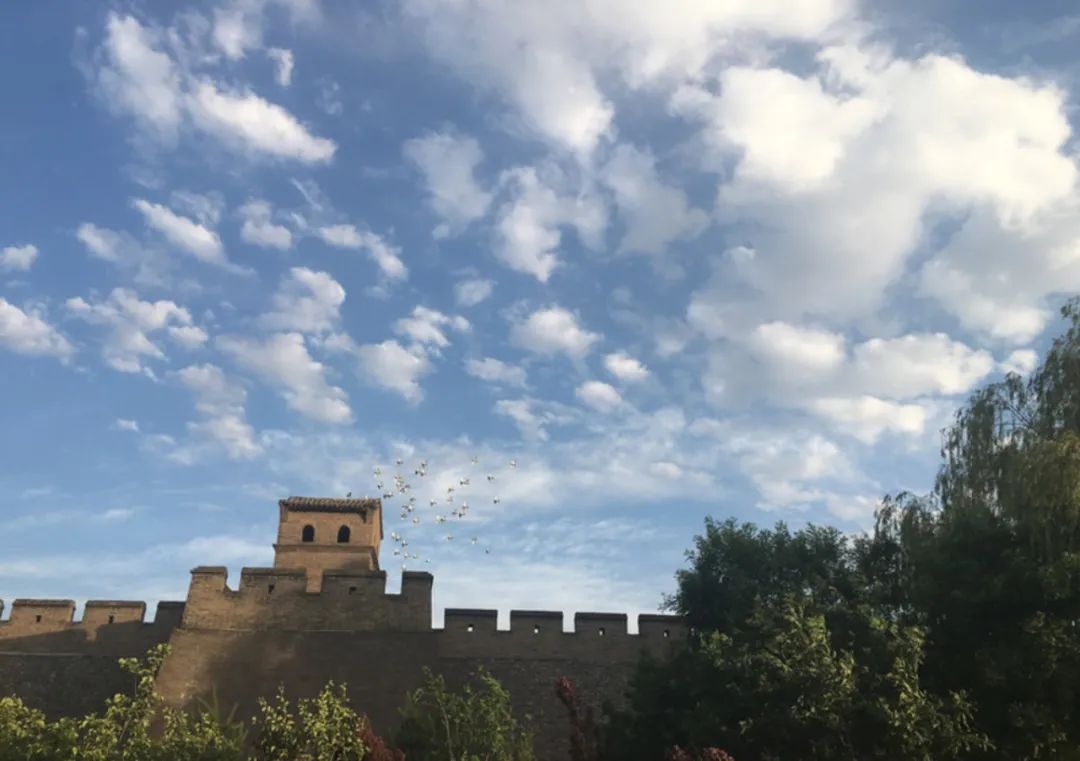
?City Walls: Ancient City Wall is one of "Three Treasures" of Pingyao, the other two being Zhenguo Temple and Shuanglin Temple. This city wall enjoys the longest history compared with the others across China and remains almost intact. The walls measure about 12 meters high, with a perimeter of 6,000 meters. A 4-meter wide, 4-meter deep moat can be found just outside the walls. The walls have six barbican gates. The north and south sides have one gate each. The east and west sides have two gates each.

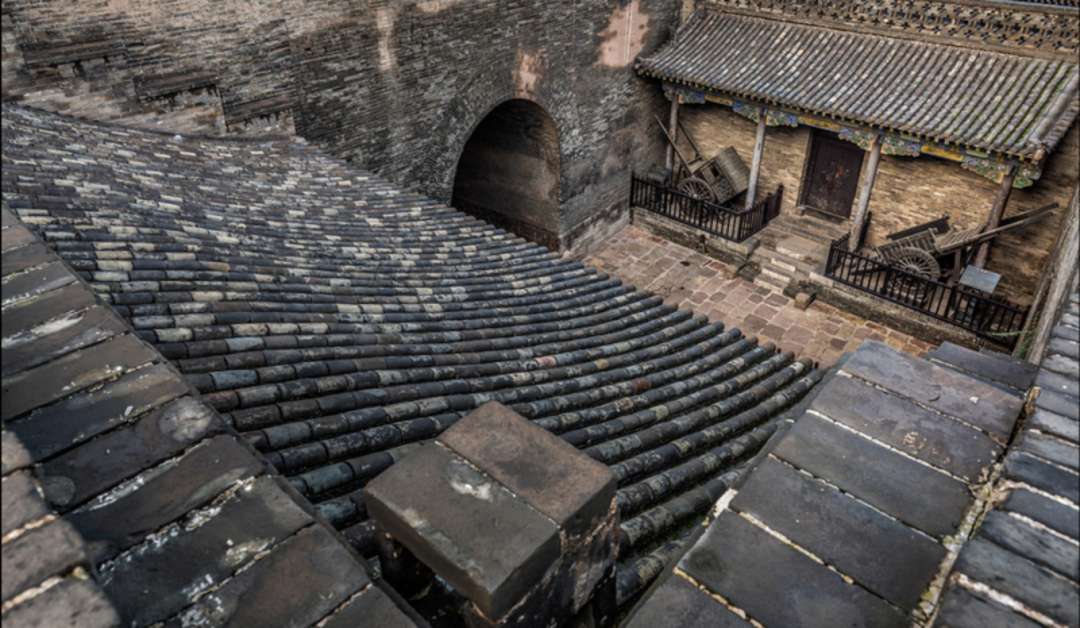

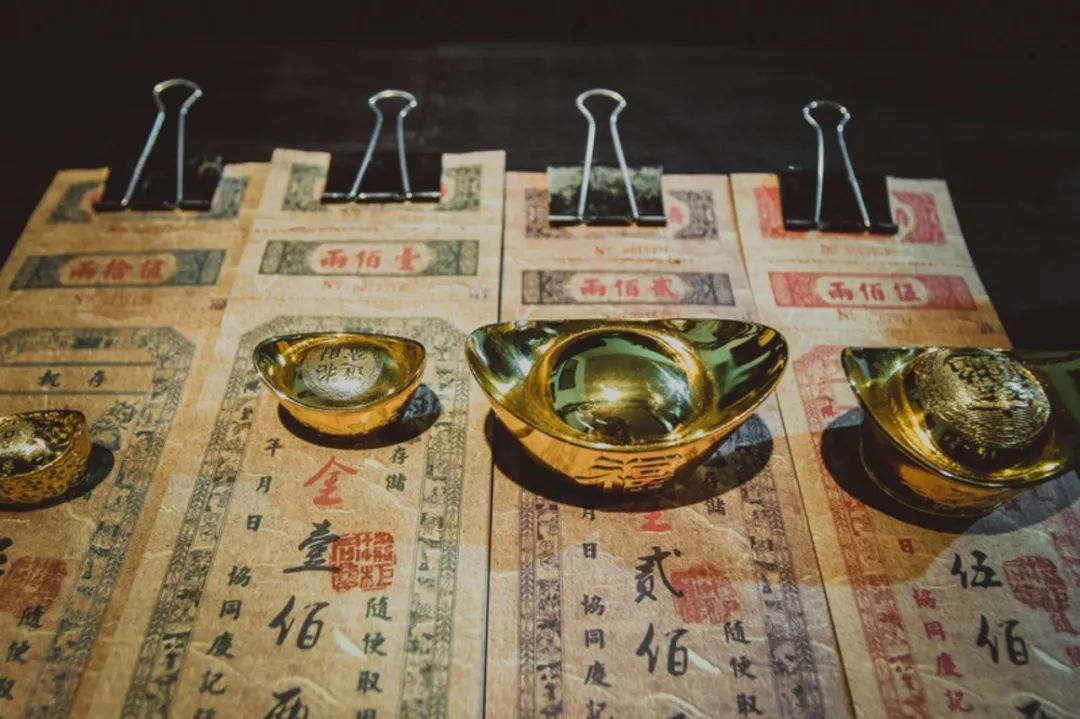
?Rishengchang Exchange Shop: it was founded in 1823 during the Qing dynasty, funded by rich businessman named Li Dakin in Xi Da Pu Village in Pingyao County, Shanxi Province, and co-founder Lei Lvtai. It was the pioneer of China's national banking sector, once operated the economic lifeline of the Qing dynasty throughout the nineteenth century. Its branches were distributed in more than 30 cities across the country, as well as far to Europe and America, Southeast Asia and other countries, becoming famous to the world known as "Land of Wealth" at the time.
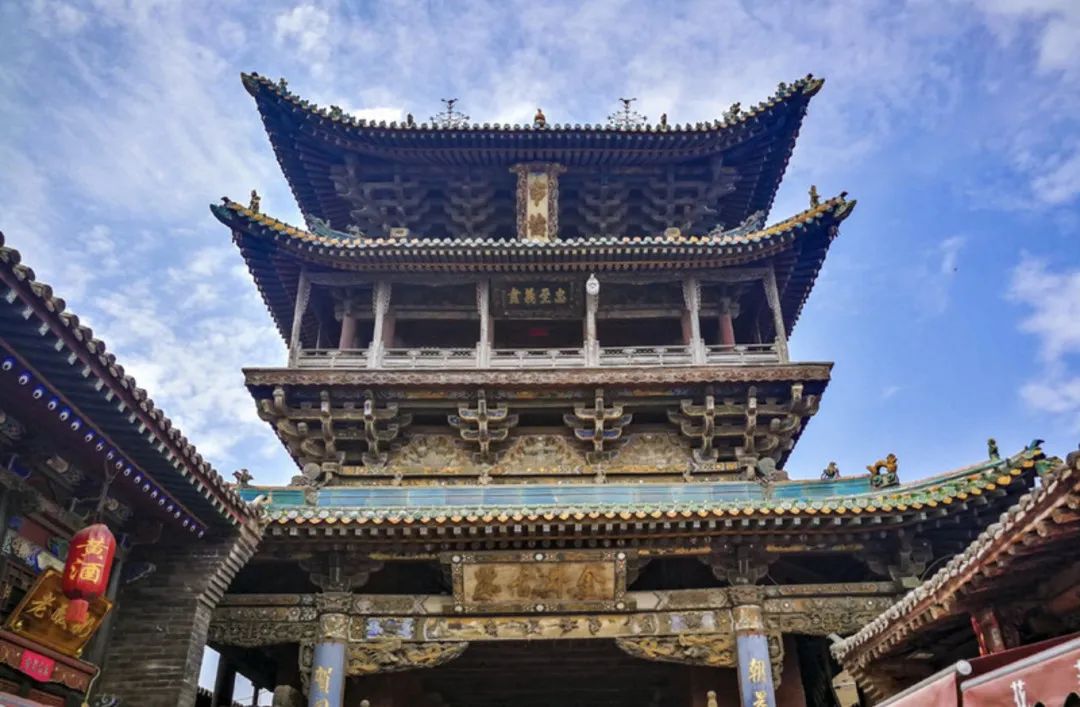

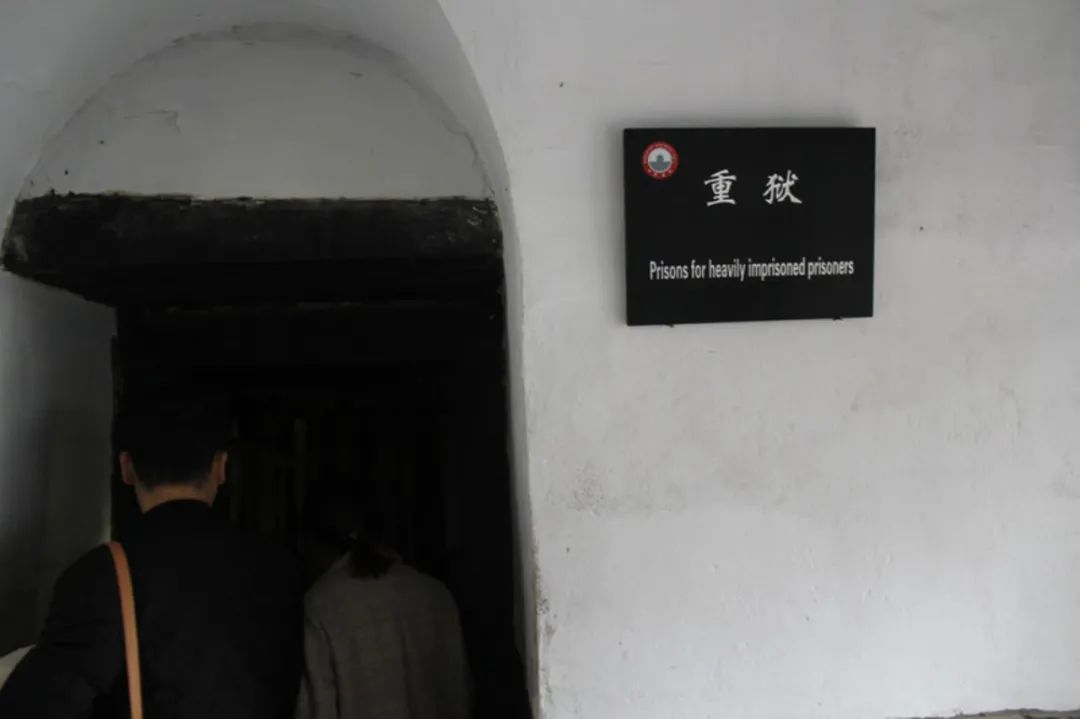
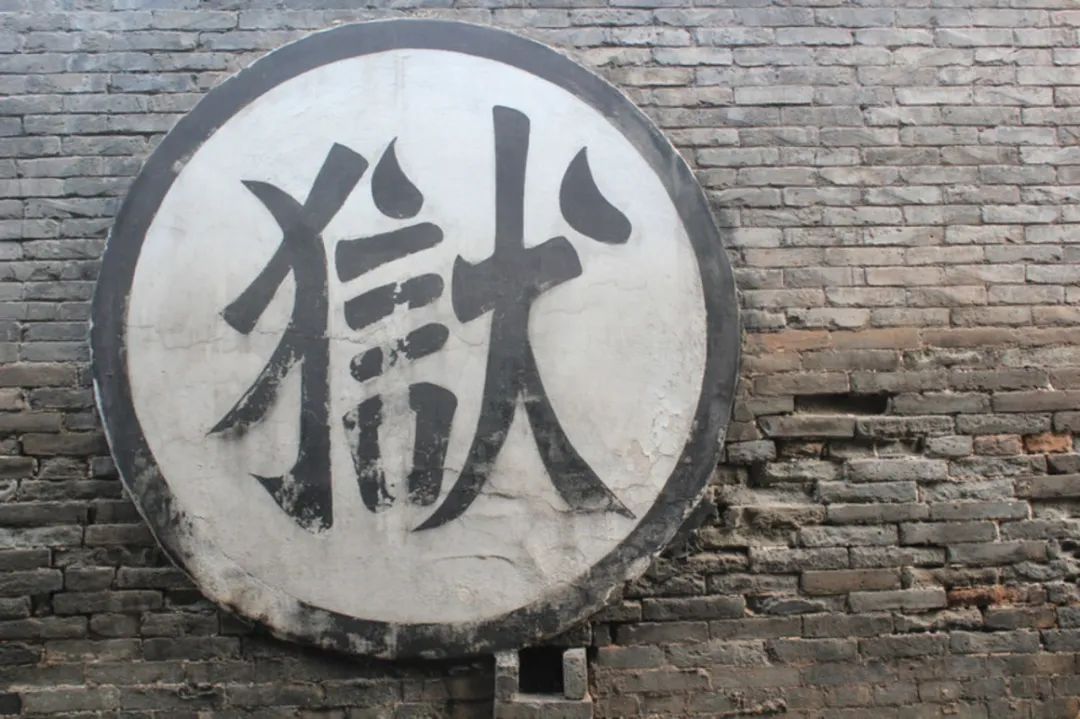
?County Government Office ''(Yamen)'' of Pingyao: Pingyao has been a county seat ever since the establishment of the prefecture-county system in the Qin dynasty, and the city has a well-preserved Yamen, or county government office, a complex building that houses the home and office of the magistrate sent to act as mayor, judge, and senior official. This Yamen consists of an archway, ceremonial gate, a residential area, various offices, a court, meeting rooms, a garden, and a prison. This Yamen compound was originally constructed in 1346 during the Yuan Dynasty, but only one building remains from the Yuan period, the rest having been built during the Ming Dynasty. There are altogether over 300 rooms in the complex.


?Ancient Security Guard Company
The Ancient Security Guard Company can be seen as an earlier delivery agency, but it only conveyed silver, gold, and other valuable items for exchange shops and rich men. Brimming with a lot of security guard companies is another highlight of the old city. You may drop by the most famous one near the northern end of the Ancient Ming-Qing Street. Here you can have a better understanding of this organization by viewing the distinctive carriages, cases, and other delivery tools. There is also a special training court for security guards to practice martial skills. With various weapons as the backdrop, why not pose in a Kung Fu movement and take a picture there?


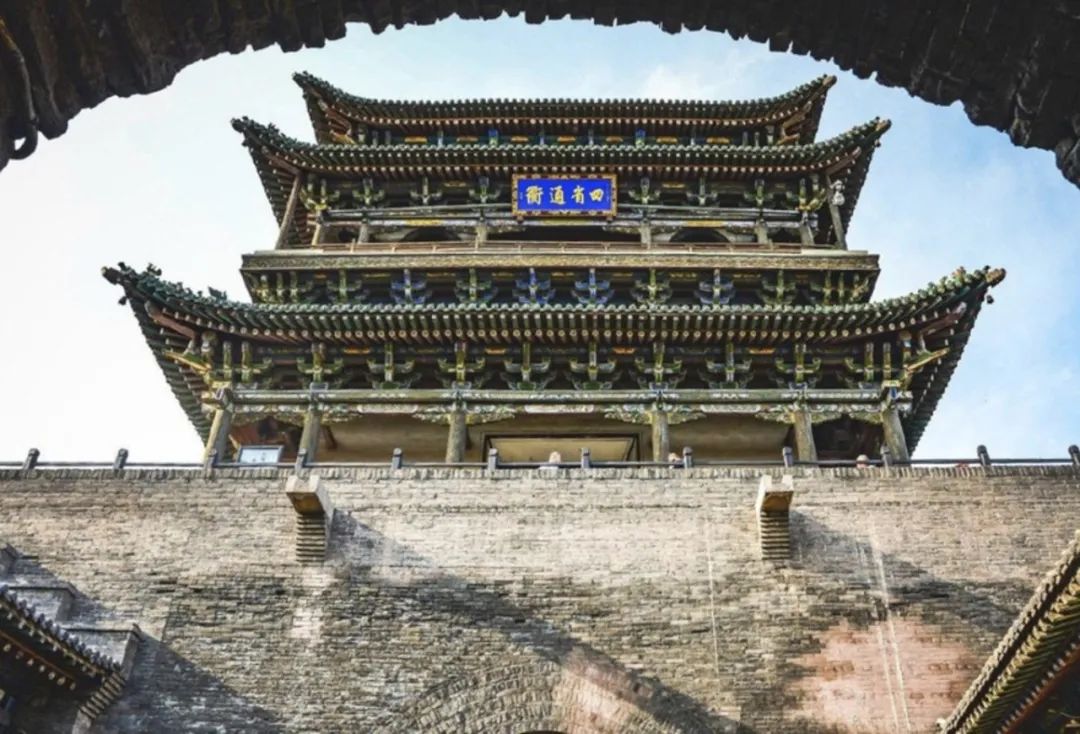
?Ming-Qing Street: This street, named for the Ming and Qing Dynasties, has been the main commercial street in Pingyao for centuries. Hundreds of shops line this busy street, most of them built in the Ming and Qing Dynasties. It is home to many one-story courtyard houses compounds with rooms built around a series of courtyards and a lot of the main tourist sites. Today, many traditional-style shops line along the street, selling snacks, food, specialties, paintings, calligraphy, furniture, and souvenirs. Also on this street is the City Tower; with a height of 18.5 meters, it is the tallest structure in the city.

【Eating in Pingyao】

平遥 碗托
Wantuozi
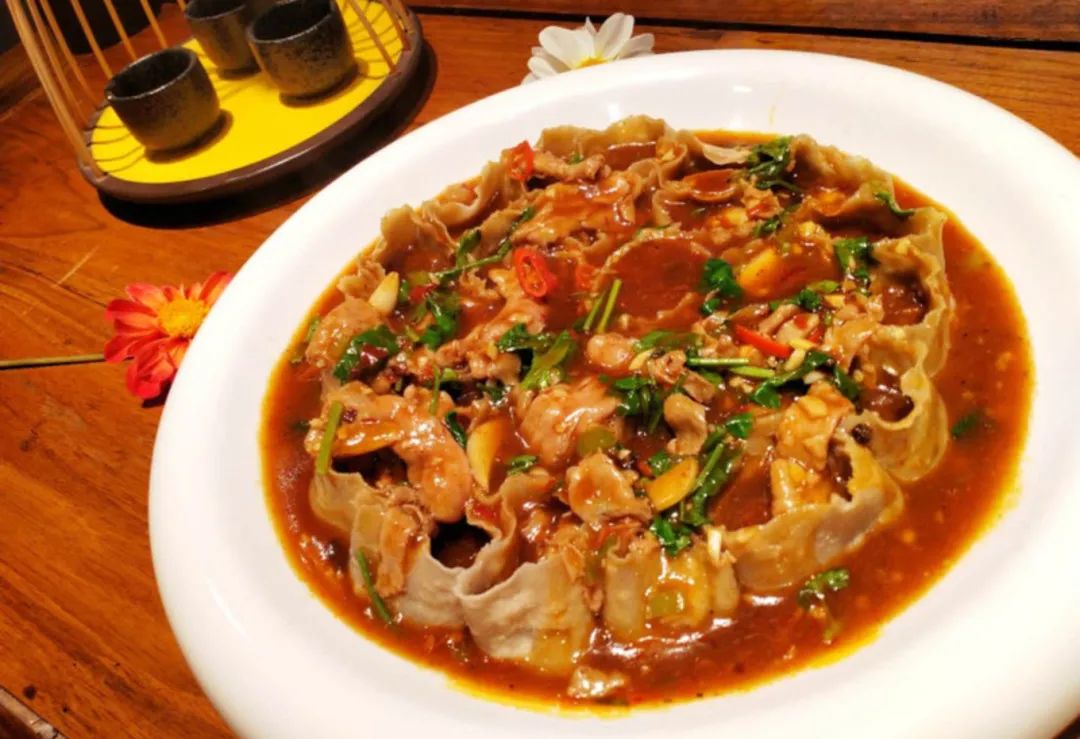
莜面栲栳栳
Youmian Kaolao

泡泡油糕
Fried Cake
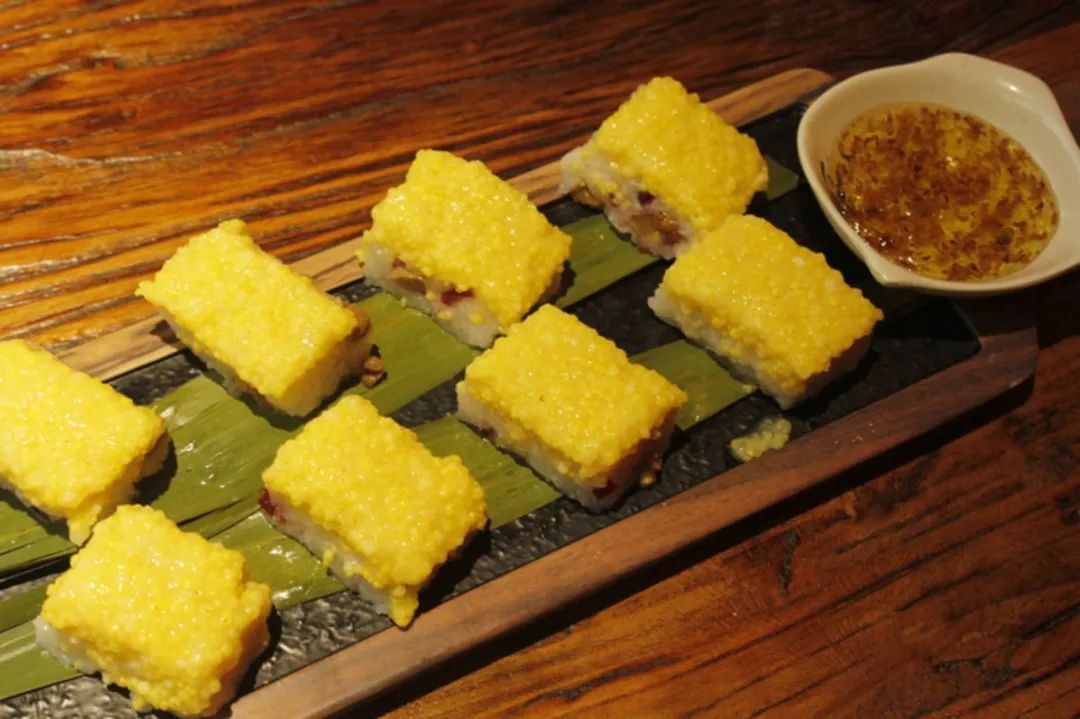
黄米凉糕
Yam

酸汤莜面鱼鱼
Avena noodle
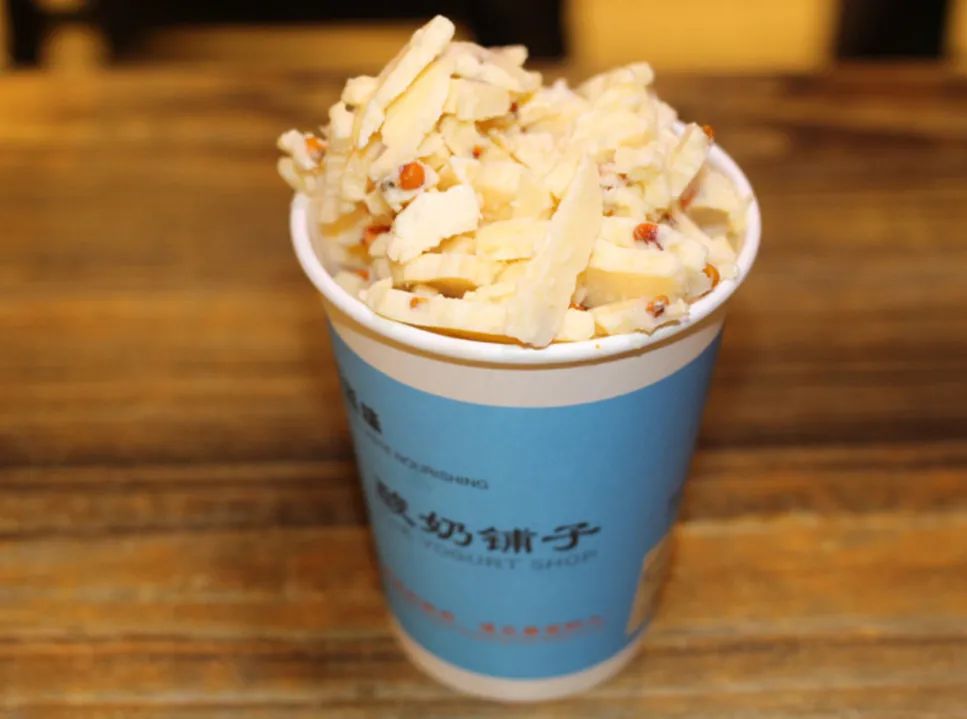
沙棘汁炒酸奶
Fried Yogurt with Sea Buckthorn Sauce
【Popular Nighttime Activities in Pingyao】
Night is the busiest time in Pingyao Ancient City. Strolling down Mingqing pedestrian street, sampling some local food and doing some souvenir shopping is a popular way for visitors to spend the evening. Do be aware, however, that there will be many other tourists wandering along the street with you.
There is also a performance called "Seeing Pingyao" outside of the west city gate both in the evening and afternoon, which you can attend if you are interested. The performance tells the tale of Pingyao during the Qing dynasty, and the audience can walk around and observe the play during the performance, as opposed to sitting in a chair the whole time. It is better to read the story before going to watch the show to better understand each scene.
Shuanglin Temple
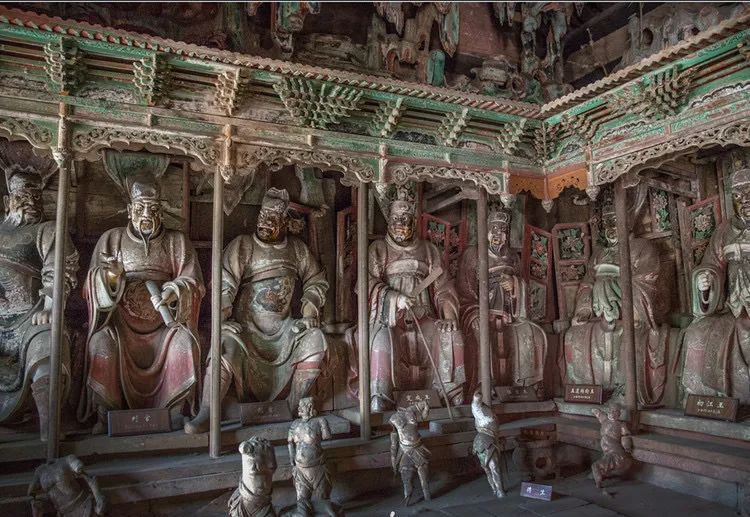
This fascinating Buddhist temple houses many incredibly rare, sublimely carved Tang, Song and Yuan painted statues. Rebuilt in 1571, it’s a mesmerising complex of ancient halls: the interiors of the Sakyamuni Hall and flanking buildings are exquisite. The beauty is overwhelming, not just of the painted clay sculptures, which are among the best in China, but also in the backgrounds – the grotto-like niches behind the statues, and the clouds and waves on the relief pieces.
The Four Heavenly Kings in the first hall date from the Tang dynasty, and if you go round to the back of that hall, you'll see a stunning relief mural featuring the goddess Guanyin riding a mythical beast, her ladies-in-waiting and guardians on intricately carved clouds of faded green on either side. The Thousand Buddha Hall contains a wondrous 1000-arm Guanyin holding different implements in her many hands, while dark-faced Buddha statues hide within the main worship hall. Guanyin is portrayed sitting lalitasana (a very lithe and relaxed regal posture) in another hall, while in the Luohan Hall, one of the ancient luóhàn (arhat) is depicted boozing. In the Hall of Ksitigarbha, judges and hell guardians mete out punishment like mutilation and burning.


What is your cancellation/refund policy?: